The short answer
Rental properties benefit from simple records: filter change dates, dryer vent check history, tenant-reported symptoms, and inspection notes between tenancies. Turnover is the natural moment to inspect.
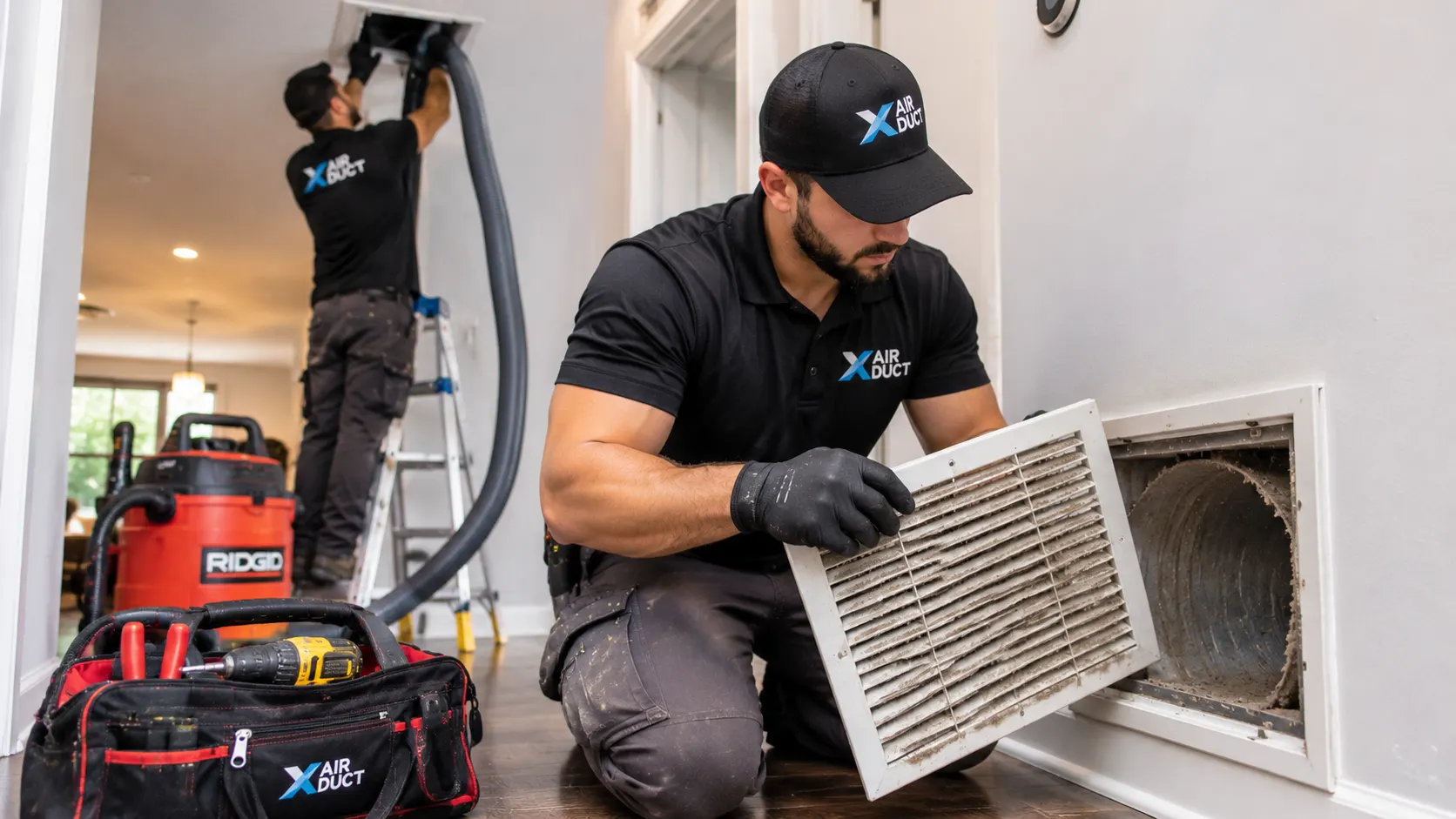
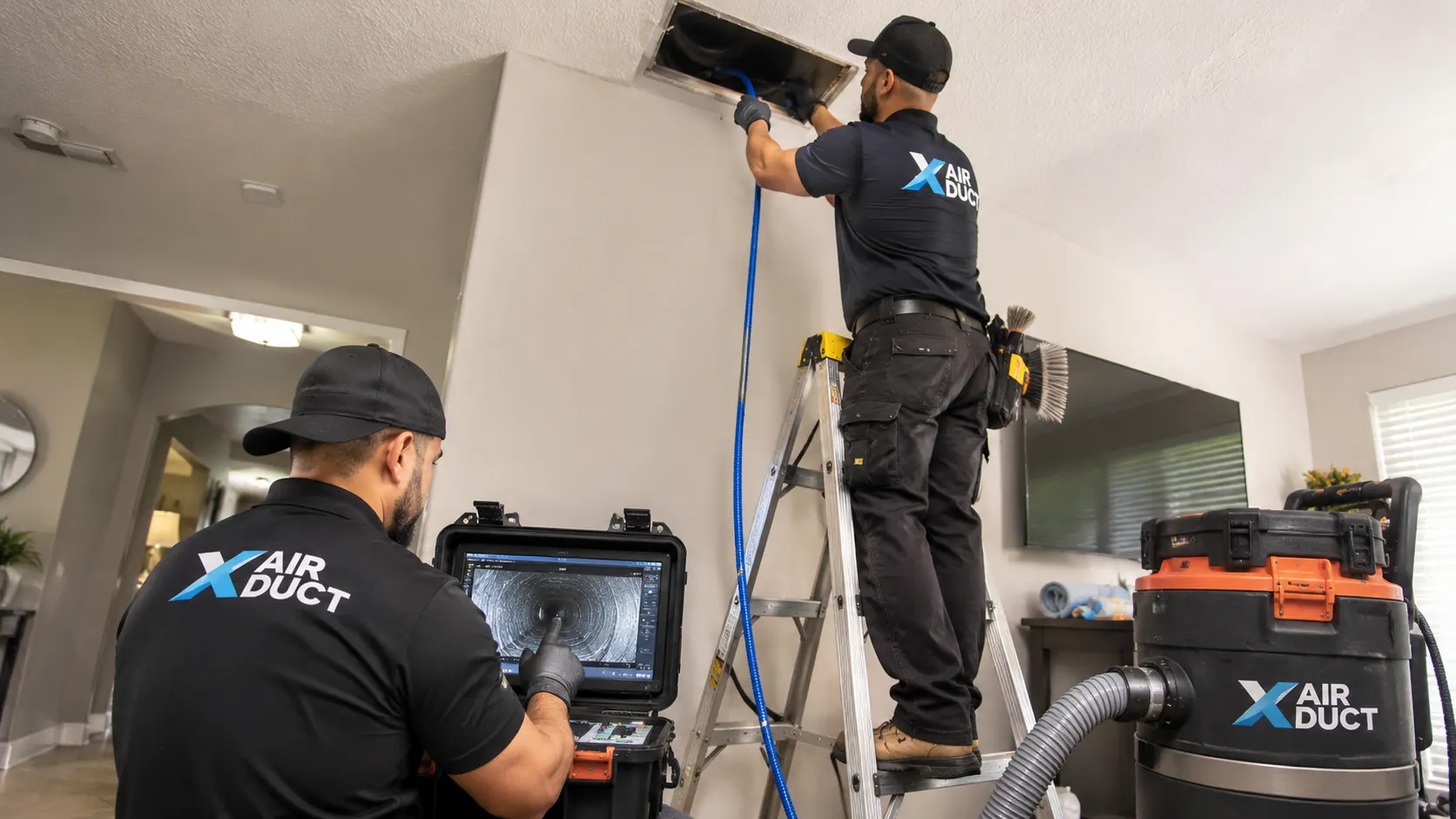
Photography is illustrative of the type of work we perform. It does not depict specific completed jobs or named employees.
At turnover
Checklist:
- Replace the filter.
- Inspect registers and returns.
- Check the dryer vent transition and exterior hood.
- Note any moisture signs.
During tenancy
Make it easy for tenants to report long drying times or odors. Provide filters or a replacement schedule.
Why rentals need a routine
Tenants change, habits vary, and owners often manage from a distance. Without a routine, filters go unchanged, dryer transitions get crushed during move-outs, and small problems surface only when a tenant complains. A short, repeatable checklist at turnover and a few scheduled checks during occupancy keep systems in reasonable condition.
Turnover checklist
Between tenants, complete these items:
- Replace the HVAC filter and record the size and date.
- Remove and wipe register covers; look into the boots for debris.
- Check the air handler area for water, rust, or pests.
- Inspect the dryer transition and exterior hood; run a test load.
- Test bathroom and kitchen exhaust fans.
- Note any tenant-reported issues and follow up.
During occupancy
Give tenants clear instructions: how to change the filter or how to request it, why the lint screen should be cleaned every load, and whom to contact if drying slows or odors appear. Some owners deliver filters on a schedule to make compliance easy. Respond quickly to reports of slow drying, since the USFA identifies failure to clean as a leading cause of dryer fires.
Records that pay off
Keep a simple log for each unit: filter changes, HVAC service, duct inspections, and dryer vent checks. Records help when planning budgets, answering tenant questions, and identifying units that need more frequent attention. They also make it easier to tell a contractor what has already been done.
Example: a small portfolio
An owner with six units across two buildings keeps a single spreadsheet: unit, filter size, last filter change, last HVAC service, last dryer vent check, and tenant notes. At each turnover, the checklist is completed and the sheet updated. When one unit shows repeated slow-drying reports, the record makes it obvious that its long vent run needs more frequent attention than the others.
Tenant communication template
A short welcome note helps: where the filter is, how often it is changed and by whom, a reminder to clean the lint screen every load, and how to report slow drying, odors, or weak airflow. Clear expectations reduce problems and make tenants partners in maintenance.
Limits
Lease terms, local regulations, and equipment warranties govern responsibilities. This article offers practical suggestions, not legal advice.
Budgeting for ventilation maintenance
Filters, periodic HVAC service, turnover inspections, and dryer vent checks are predictable costs. Planning them per unit each year is easier than reacting to complaints. Units with long dryer runs or heavy use can be budgeted for more frequent checks.
Responding to tenant reports
When a tenant reports slow drying, weak airflow, or odors, acknowledge it promptly, ask simple diagnostic questions, and schedule the right professional. Document the report and the response.
Example: the turnover that caught a problem
At a routine turnover, the owner pulled the dryer out and found the foil transition crushed flat against the wall. The previous tenant had mentioned slow drying but never reported it formally. Replacing the transition with metal venting and checking the hood took little time and prevented the problem from carrying over to the next tenant.
Choosing what to outsource
Owners can handle filter changes and visual checks themselves or through a property manager. Duct inspection, dryer vent cleaning on long or roof-vented runs, and HVAC service are best left to professionals. Deciding this in advance keeps turnovers fast.
Limitations to keep in mind
Records guide decisions; they do not replace inspection.
Takeaway
Turnover is the best time to look.
Related reading and services
Have a question about your own system? X Air Duct brings 18 years of industry experience.
Request an estimate