
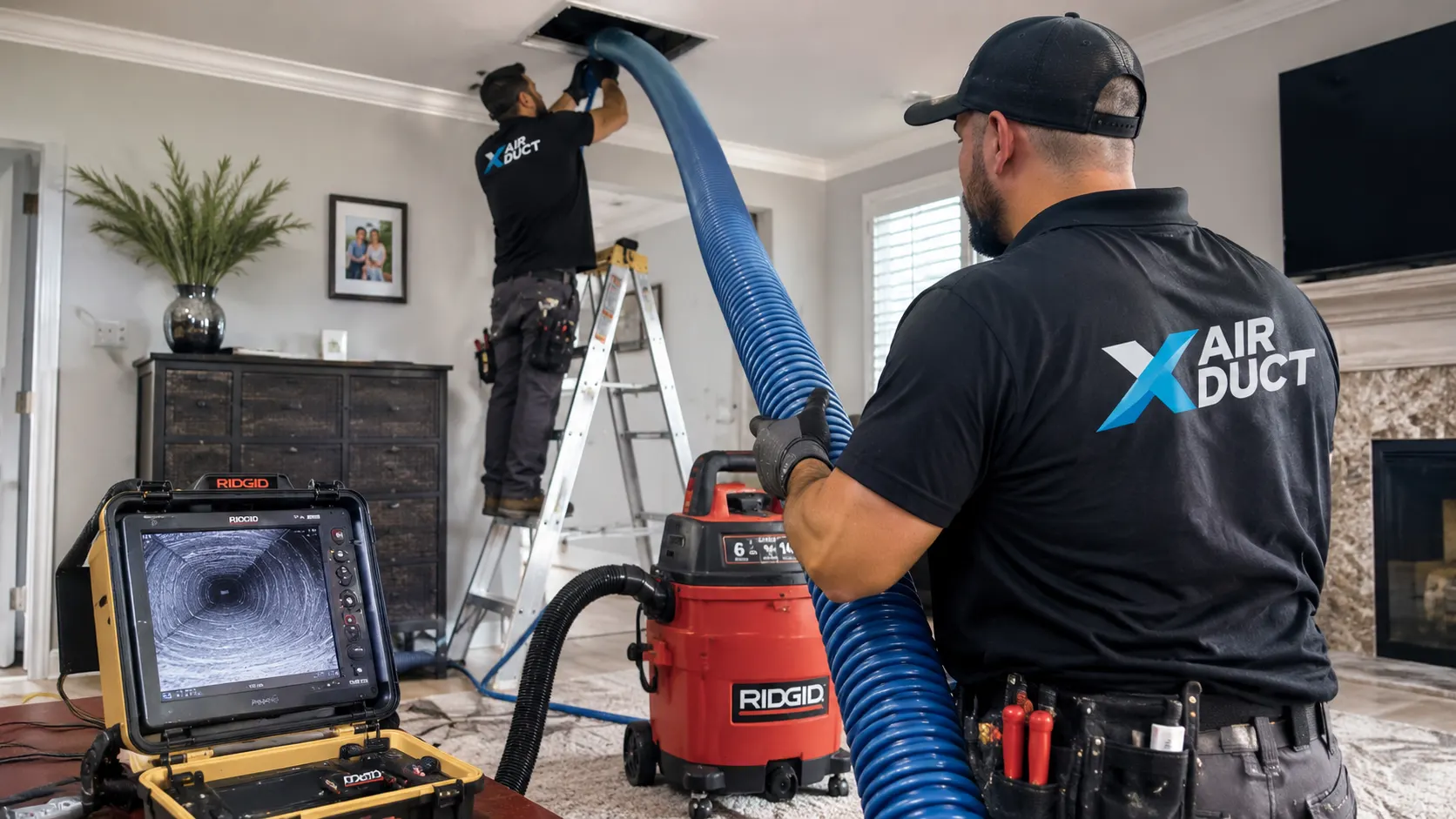
South Florida homes depend on air conditioning for comfort through most of the year. That steady runtime, combined with warm, humid outdoor air, shapes how ventilation systems should be maintained.
This guide covers the regional considerations homeowners in Broward, Miami-Dade, and Palm Beach counties should understand.
Year-round cooling
Long runtimes mean more air through the filter and faster filter loading. Check filters monthly.
Humidity management
The EPA recommends indoor humidity below 60 percent, ideally 30 to 50. Air conditioning removes moisture, but leaks, short-cycling, and blocked drains undermine it. Duct cleaning does not control humidity.
Property types
Single-family homes often have closet or garage air handlers and attic ducts. Condominiums have concealed ducts and association rules. Townhouses may have vents between floors.
Dryer vents
Block-wall exits, garage ceilings, roof caps, and building chases are all common. Know your route.
Outdoor air and dust
Construction, wind, and open doors bring dust in. Good filter fit and sealing returns help.
Planning maintenance
Combine homeowner habits with professional HVAC service and as-needed duct and dryer vent inspection.
Climate realities
South Florida has long, hot, humid seasons and mild winters. Air conditioners run for much of the year, which means more air through filters and more moisture removed by coils. Outdoor humidity is frequently high, and indoor humidity control depends on the air conditioner working properly. Storm season adds the possibility of roof leaks, power outages, and wind-driven debris.
Humidity targets and tools
The EPA recommends keeping indoor relative humidity below 60 percent, ideally between 30 and 50 percent. A simple digital hygrometer in the main living area and one in a bedroom let you track it. If readings stay high, ask an HVAC contractor about equipment sizing, fan settings, condensate drainage, and supplemental dehumidification. Run exhaust fans in bathrooms and kitchens, and keep the dryer vented outdoors.
Property types across the region
Single-family homes often have closet or garage air handlers with attic ducts. Two-story homes may have two systems and upstairs laundry with long vent runs. Townhomes and villas share walls and sometimes roofs, which complicates vent ownership. Condominiums have concealed ducts, long horizontal dryer runs, and building rules. Older homes may have retrofitted ducts in tight spaces. Each needs a slightly different maintenance plan.
Coastal and waterfront considerations
Near the ocean and Intracoastal, salt air corrodes exterior hoods and flaps, and open doors bring humid air inside. Check exterior terminations every few months and after storms. Keep doors closed when the air conditioning runs, and check filters more often.
Storm preparation and recovery
Before a storm, note the location of the air handler shutoff and the dryer vent termination. After a storm, look for roof leaks above attic ducts, water at the air handler, and debris at exterior vents before restarting systems. Wet ductwork or insulation should be evaluated by qualified professionals; flooded ducts generally need replacement rather than cleaning.
Seasonal residents
Homes and condominiums closed for part of the year need a plan for humidity while empty. Ask an HVAC contractor about appropriate thermostat and humidity settings. On return, replace the filter, look for water or mold signs around the air handler, check musty odors, and verify dryer exhaust before resuming normal laundry.
A year-round South Florida plan
Monthly: check the filter and humidity, glance at exterior hoods. Before peak summer: HVAC maintenance by a licensed contractor. After storm season: exterior inspection and check for leaks. When conditions change, such as renovation, pests, or slow drying: inspect ducts or dryer vents. Keep records to track what works for your property.
Example: the townhome with two systems
A Broward townhome has one air handler in a downstairs closet and another in the attic serving the bedrooms. The upstairs filter loads faster and the attic flexible duct runs long. The owners keep separate filter dates for each system, ask their HVAC contractor to check attic insulation on the supply ducts, and have the upstairs laundry vent inspected because it rises to the roof. Planning per system, not per house, is the key.
Example: the oceanfront condominium
A Miami-Dade oceanfront unit is closed for the summer. On return, the owner smells mustiness near the air handler closet. An HVAC contractor finds a partly clogged condensate line and adjusts settings for future absences. With the moisture source resolved, the owner replaces the filter, checks registers for any visible growth, and has the dryer vent checked before resuming laundry. Order matters: moisture first, then cleaning decisions.
Pests in a warm climate
Insects and rodents are active year-round. Seal gaps around air handler closets, attic penetrations, and exterior vents, and keep hood flaps working. If pests reach the duct system, the EPA lists infestation as a condition where cleaning may be warranted, but entry points must be sealed first.
Choosing filters for long cooling seasons
Because systems run so much, filters load faster here than in milder climates. Use the size and type recommended for your equipment, check monthly, and replace when loaded. Keep spares of the right size on hand so a change is never delayed for a store trip.
Questions to ask your HVAC contractor
Is my system sized appropriately for humidity control? What fan setting do you recommend? Is the condensate line clear and protected? Are attic ducts insulated and connected? Is my return adequate? Their answers complement duct and dryer vent inspection.
Limits of this guide
This guide gives general regional context. It does not evaluate any specific property, and it is not a substitute for HVAC, mold, or building professionals where those are needed.
Where to start if you are new to South Florida
Buy a hygrometer, learn where each air handler and filter is, find where the dryer vents outdoors, and schedule HVAC maintenance with a licensed contractor. If the home’s history is unknown, an inspection of ducts and the dryer vent sets a baseline. Then adopt the monthly and seasonal routine described above.
Records that make every visit easier
Keep one page per system: air handler location, filter size, HVAC service dates, duct inspection notes, and dryer vent checks. Add storm notes and any repairs. Contractors work faster and more accurately when they can see what has already been done.
Common questions
01How does humidity affect ventilation?
Air conditioning removes moisture as it cools. When indoor humidity stays high, surfaces and ductwork near cold air can collect condensation. The EPA recommends keeping indoor relative humidity below 60 percent, ideally 30 to 50 percent. Duct cleaning does not control humidity; equipment sizing, operation, and moisture sources do.
How humidity affects indoor ventilation02Are condo ventilation systems different from single-family systems?
Often yes. Condo air handlers are commonly in closets, ducts run above dropped ceilings, and dryers may exhaust into building chases. Associations may control access, hours, and contractors. Check your rules before scheduling.
Ventilation considerations for Miami condominiums03Do coastal properties need more ventilation maintenance?
Salt air can corrode exterior metal components such as dryer vent hoods, and windy sand can reach exterior terminations. Coastal properties benefit from checking exterior terminations more often.
Ventilation maintenance for coastal properties04What should seasonal residents check when they return?
Check the filter, look at registers and returns, run the system and listen for unusual sounds, check the exterior dryer hood for nests or blockages, and look for any signs of moisture before resuming normal use.
05Should I check my dryer vent after a storm?
It is reasonable to look at the exterior hood after strong storms for debris, damage, or a stuck flap. If any part of the vent was damaged, have it evaluated before regular use.
Supporting articles
- Dryer Vent Maintenance for Condominiums
- Air Duct Cleaning Considerations for Florida Homes
- How Humidity Affects Indoor Ventilation
- Air Conditioning and Ventilation in South Florida
- Ventilation Maintenance for Coastal Properties
- Air Duct Considerations for Hollywood, FL Homes
- Ventilation Considerations for Miami Condominiums
- Building a Practical Home Ventilation Maintenance Checklist