The short answer
Air conditioning removes moisture as it cools. When indoor humidity remains high, condensation can form on cold surfaces such as supply registers and ducts in unconditioned spaces. The EPA recommends indoor humidity below 60 percent, ideally 30 to 50 percent, and emphasizes that controlling moisture is the key to controlling mold.
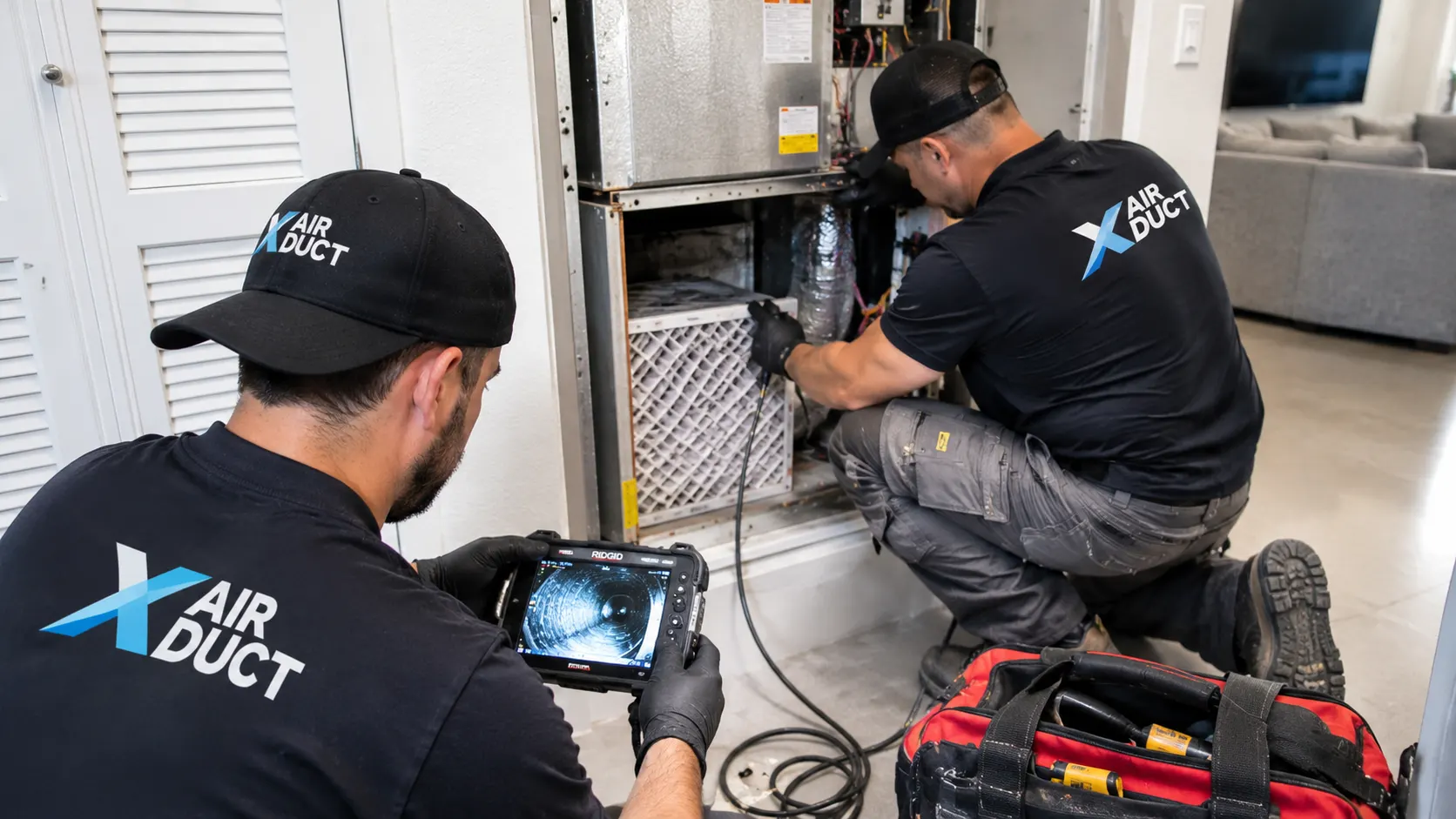
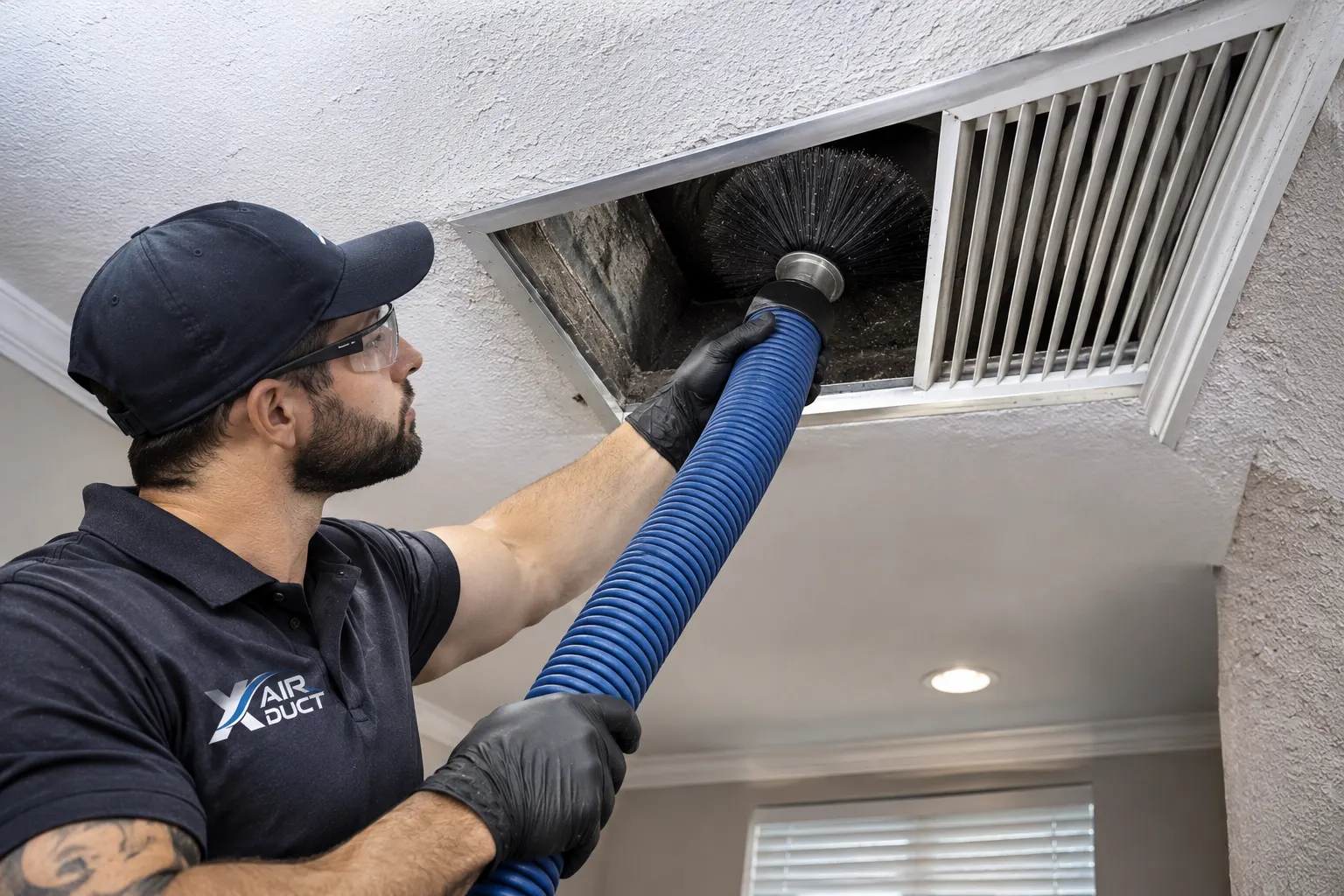
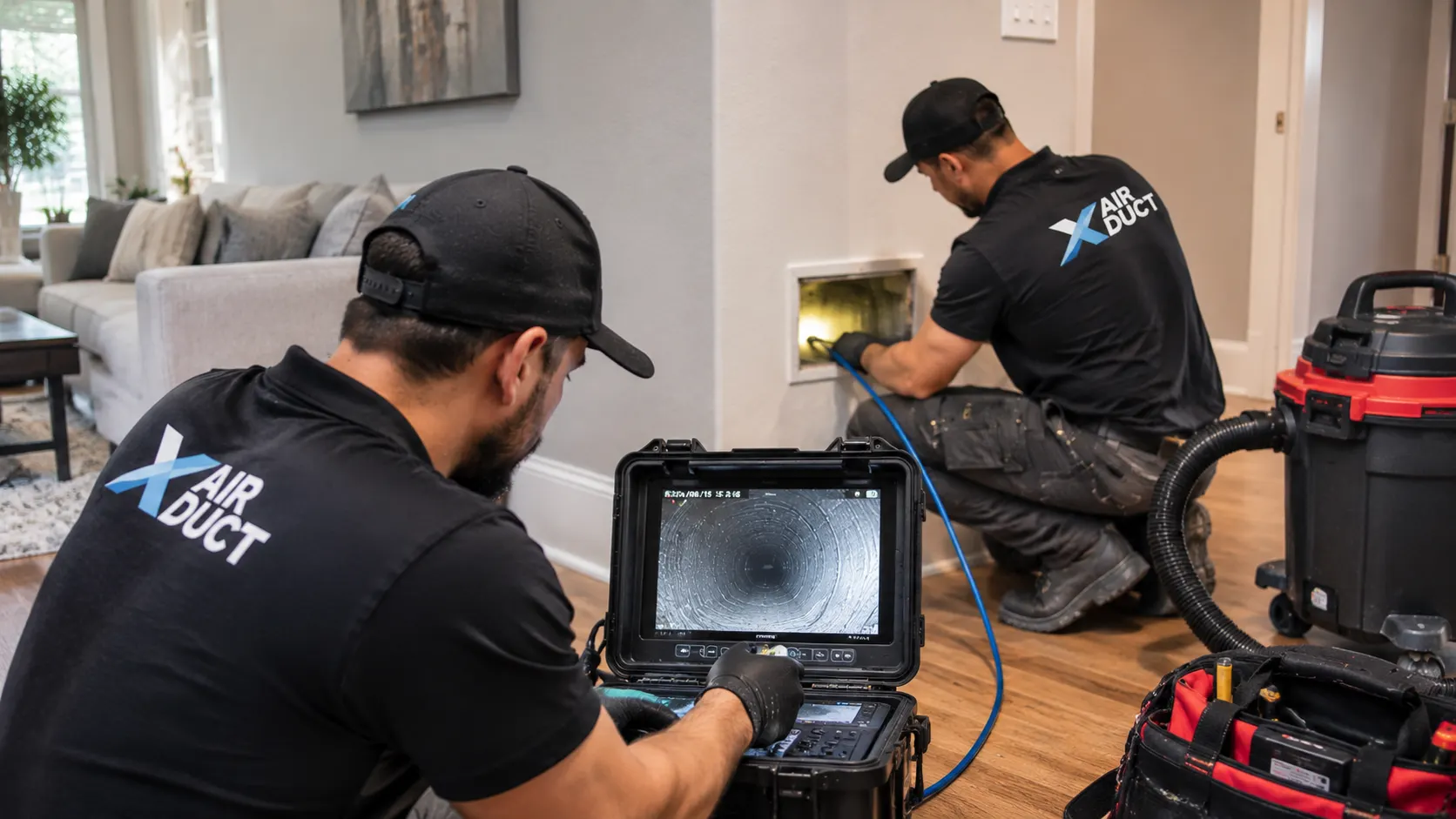
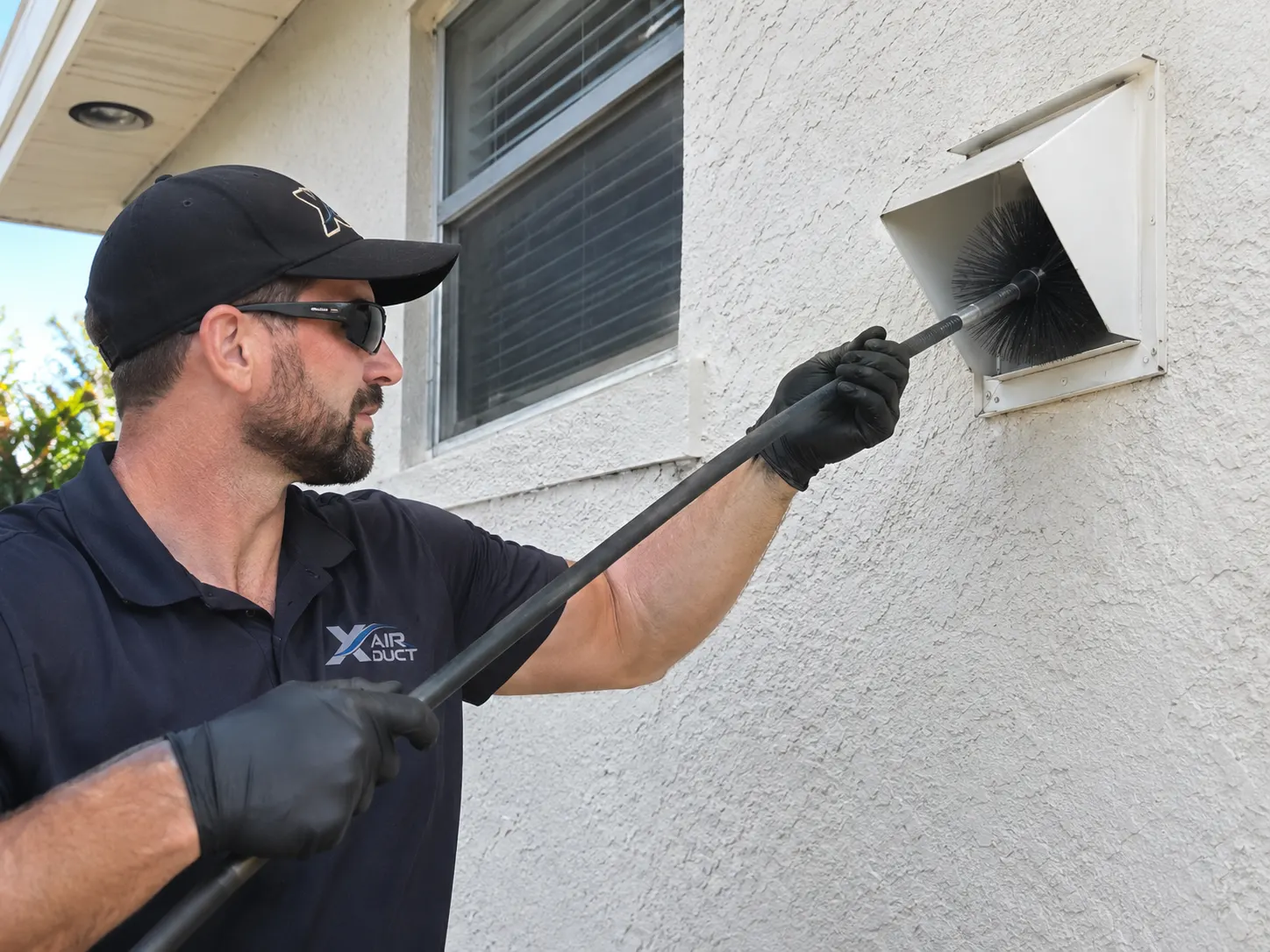
Photography is illustrative of the type of work we perform. It does not depict specific completed jobs or named employees.
Where moisture shows up
Common indicators:
- Sweating supply registers.
- Water stains on ceilings near registers.
- Musty odors.
- Condensation on windows.
Common causes
Oversized equipment that short-cycles, blocked condensate drains, air leaks bringing humid outdoor air inside, and uninsulated ducts in hot attics.
What to do
Use a hygrometer to measure humidity. Have a licensed HVAC contractor address equipment and drains. Fix leaks. Only after moisture is controlled does cleaning make sense, and wet or moldy insulation may need replacement.
What relative humidity means at home
Relative humidity is the amount of moisture in the air compared with the most it could hold at that temperature. Indoors, the EPA recommends keeping it below 60 percent, ideally 30 to 50 percent, because higher levels allow mold to grow on surfaces. In South Florida, outdoor humidity is often far above that range, so the air conditioner does double duty: cooling the air and removing moisture from it.
How an air conditioner removes moisture
As warm room air passes over the cold coil, moisture condenses and drains away through the condensate line. That only works well when the system runs long enough per cycle. An oversized system that cools quickly and shuts off can leave the air cool but clammy. A clogged condensate line can back water into the pan. Both are HVAC issues, not duct issues.
Signs humidity is too high
Watch for these clues and confirm with an inexpensive hygrometer:
- A musty or damp smell indoors.
- Condensation on windows, registers, or cold surfaces.
- Clothes or linens that feel damp in closets.
- Mold spots on bathroom ceilings or around windows.
- Readings consistently above 60 percent.
Practical humidity habits
Run bathroom and kitchen exhaust fans during and after showers and cooking. Keep doors and windows closed during the most humid parts of the day. Make sure the dryer vents outdoors, since a disconnected vent can add a great deal of moisture indoors. If readings stay high, ask an HVAC contractor about equipment sizing, fan settings, and dehumidification. Duct cleaning does not control humidity and should not be presented as a solution to it.
Humidity and ducts specifically
When cool supply ducts pass through hot, humid attics or ceiling spaces, condensation can form on the outside if insulation is damaged or missing. Inside the home, registers may sweat if humid air meets very cold supply air. Either can wet nearby materials. These are insulation and equipment issues for an HVAC contractor. Duct cleaning cannot prevent condensation, and cleaning wet or moldy insulation is not effective; the EPA notes such material may need replacement.
Example: the musty guest room
A guest room with the door closed and the register shut smells musty after a few weeks. Without airflow, the room’s humidity rises above the rest of the house. Opening the register, leaving the door ajar, and checking humidity usually resolves it. If the smell persists, an HVAC contractor should look for moisture sources.
Choosing and placing a hygrometer
An inexpensive digital hygrometer is accurate enough for home use. Place one in the main living area away from kitchens, bathrooms, and supply registers, and consider another in a bedroom or closet that tends to feel damp. Check readings at different times of day for a week to see your home’s pattern before deciding whether action is needed.
Limitations to keep in mind
Duct cleaning does not correct humidity. X Air Duct does not offer mold remediation.
Takeaway
Measure humidity, fix the water source, then decide about cleaning.
Related reading and services
Have a question about your own system? X Air Duct brings 18 years of industry experience.
Request an estimate