The short answer
Florida homes run air conditioning for much of the year, so ducts move a large volume of air and filters do a lot of work. Humidity management, filter discipline, and attic duct condition matter more than any fixed cleaning schedule.
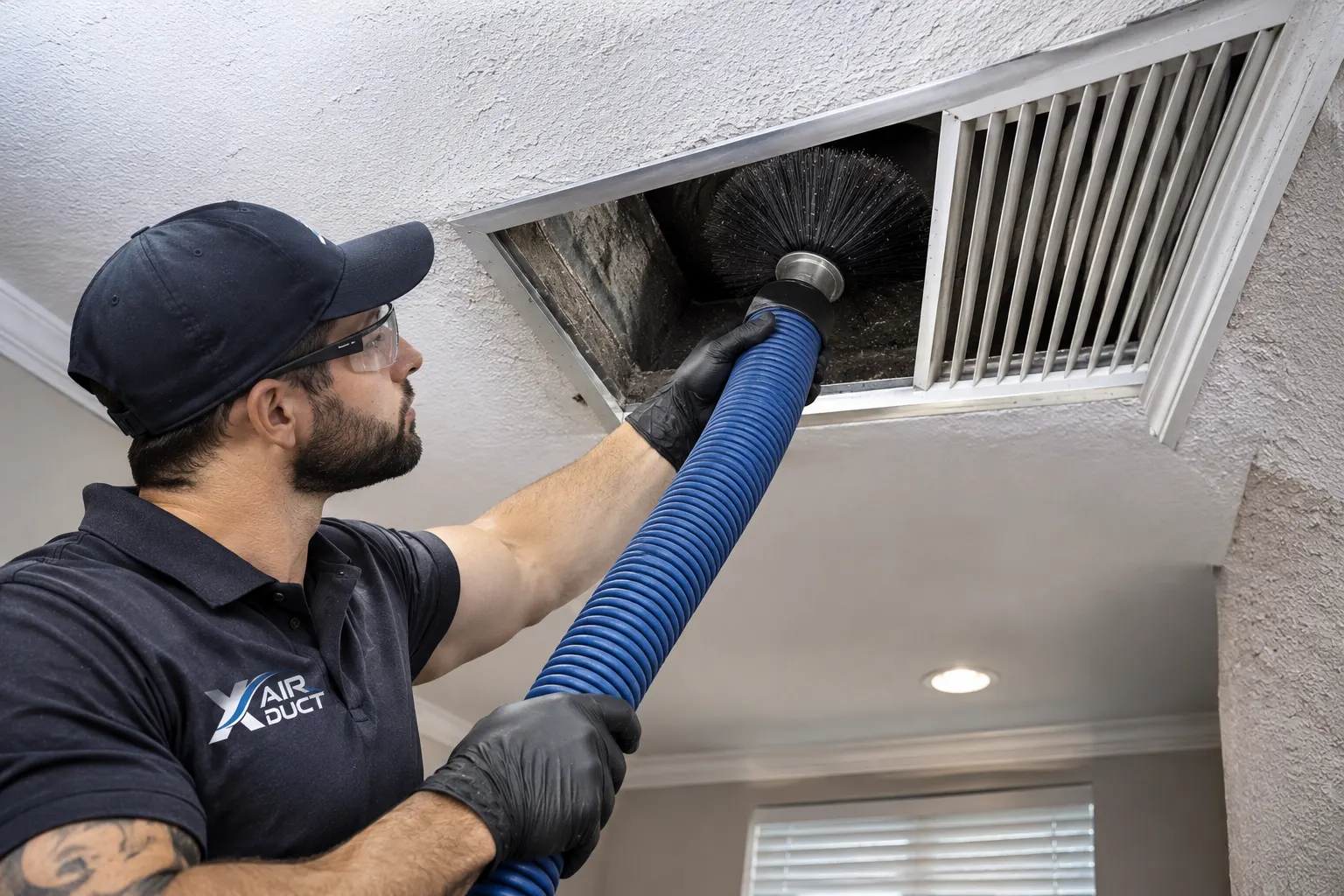
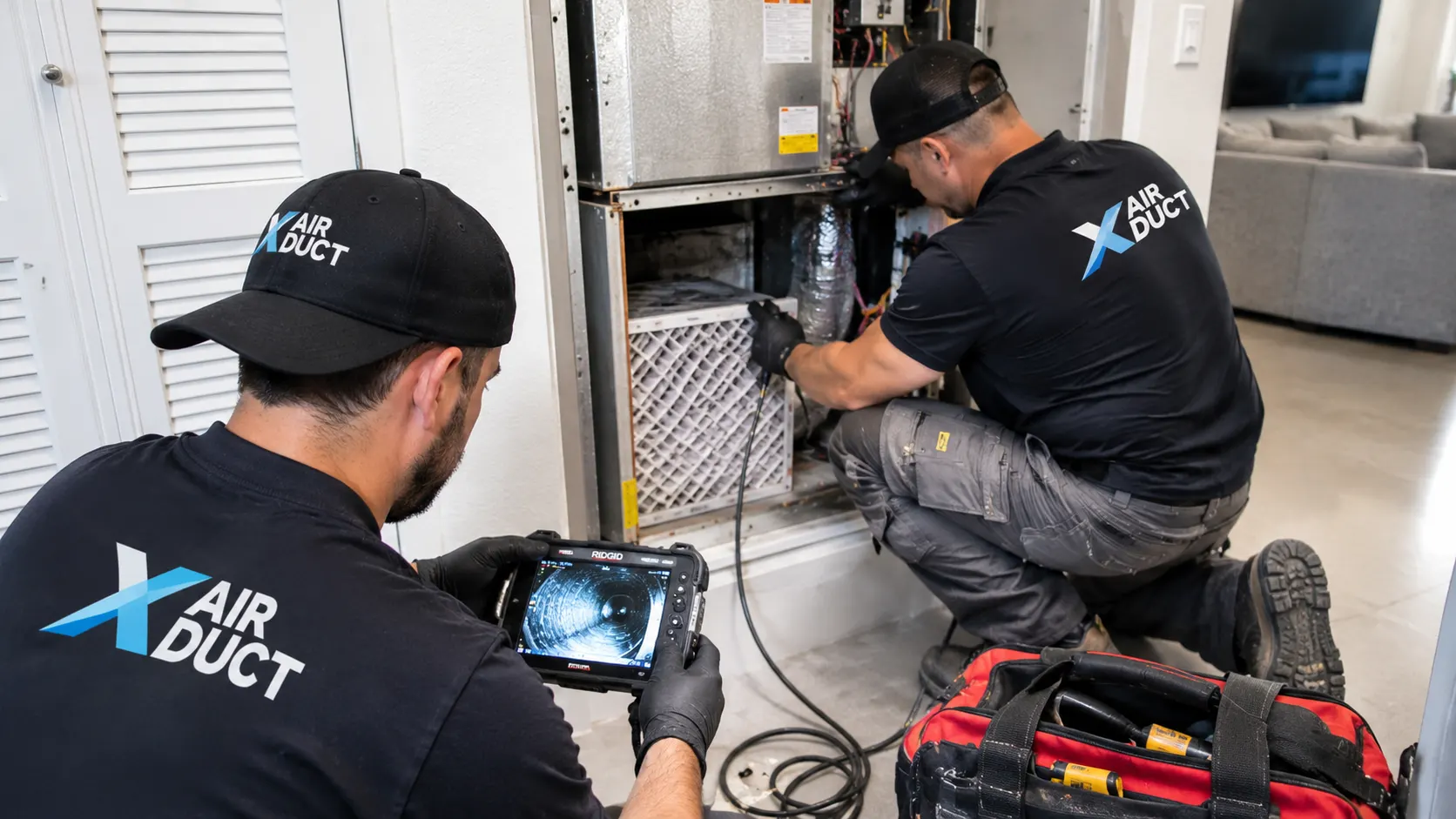
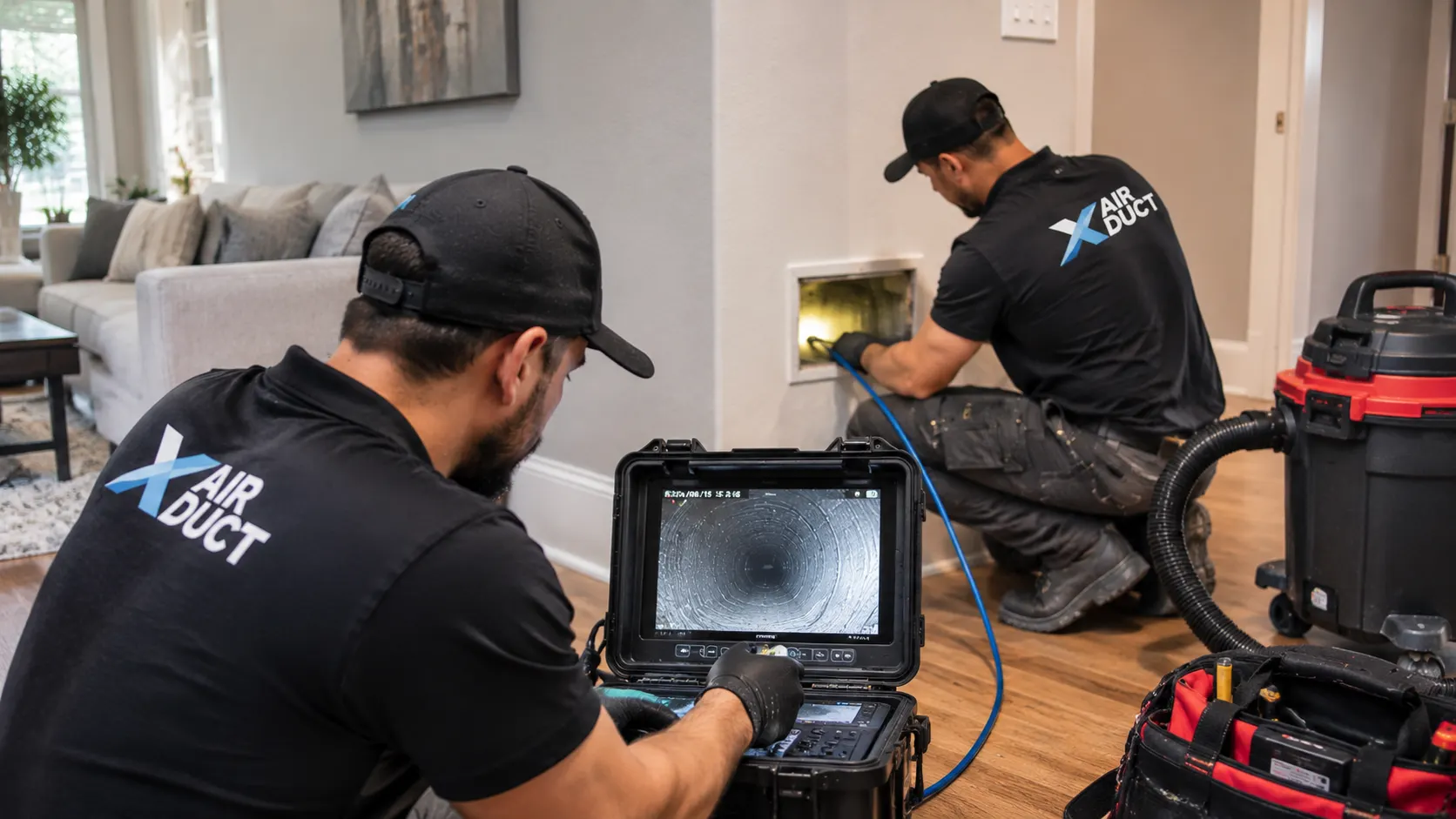
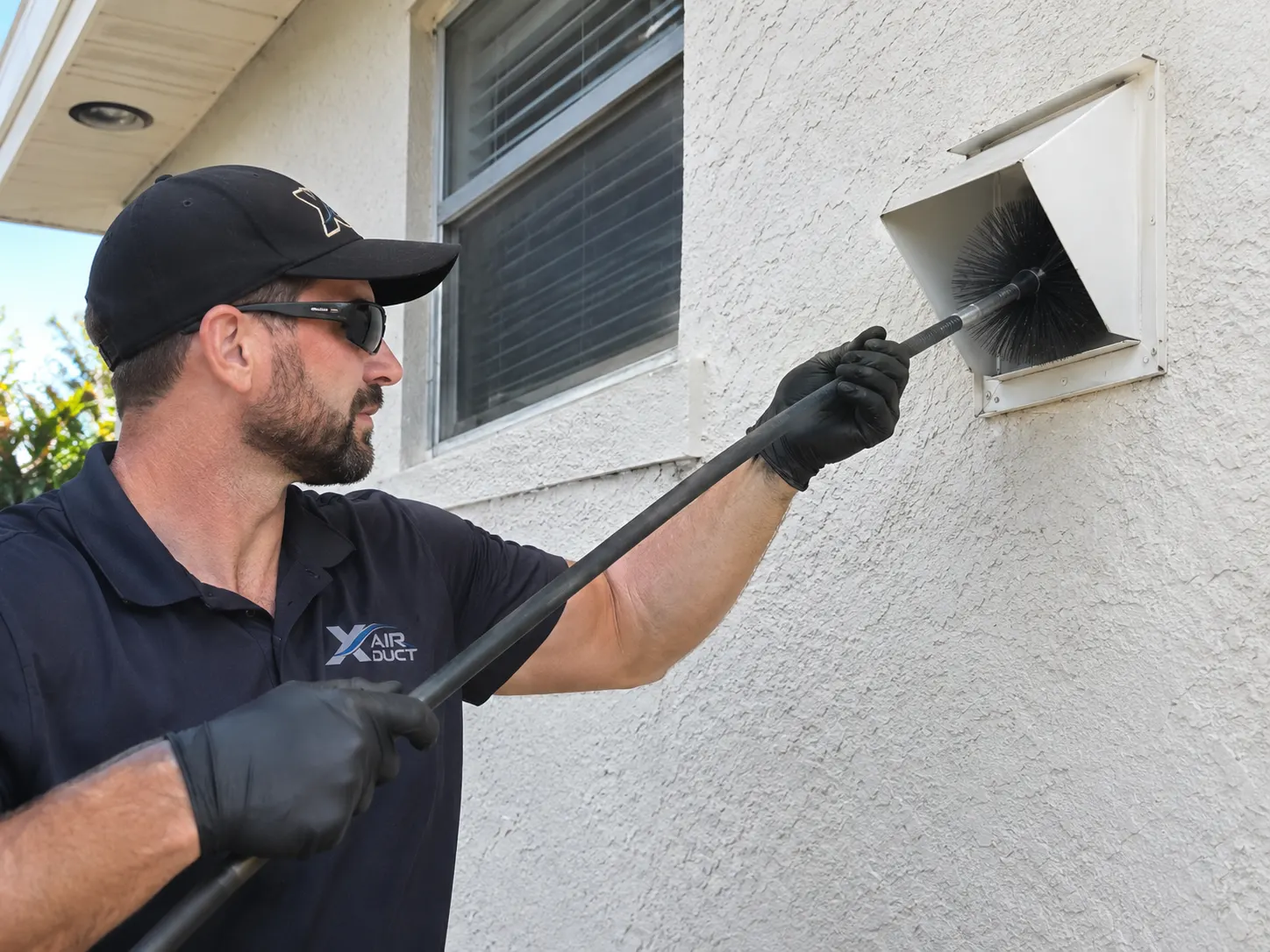
Photography is illustrative of the type of work we perform. It does not depict specific completed jobs or named employees.
Heavy runtime
More runtime means more air through the filter. Check filters more often during the hottest months.
Attic ducts in heat
Many homes route flexible duct through hot attics. Connections and insulation should be checked for damage and condensation.
Humidity
The EPA recommends keeping indoor humidity below 60 percent. Duct cleaning does not control humidity; equipment and moisture sources do.
Long cooling seasons mean long run times
In much of the country, an air conditioner runs for a few summer months. In South Florida, cooling can run for most of the year. More operating hours mean more air passing through filters and ducts, so filter habits matter more here than in milder climates. A filter that would last a season elsewhere may load up faster in a Florida home with doors opening to humid outdoor air.
Where Florida ducts are located
Duct location shapes both condition and access:
- Attic ducts in single-story homes: often flexible duct, exposed to high attic heat; inspect connections and look for crushed sections.
- Ducts above dropped ceilings or in soffits in condominiums: partly concealed, limiting what can be cleaned without opening finishes.
- Garage air handlers: the return area can draw in garage dust if not sealed.
- Closet air handlers: compact, but the closet often doubles as storage that blocks access.
Humidity first, cleaning second
Florida homes face a moisture challenge that affects ducts indirectly. The EPA advises keeping indoor relative humidity below 60 percent, ideally between 30 and 50 percent. When ducts sweat, registers drip, or a musty smell appears, the first call is to an HVAC contractor to check equipment sizing, drainage, and insulation. If substantial visible mold is present on hard surfaces in the ducts, the EPA indicates the moisture problem must be corrected before cleaning, or growth will return.
Hurricane season and storms
After a storm, check for roof leaks near attic ducts, water at the air handler, and debris at exterior vents and hoods. If ductwork or insulation got wet, have it evaluated before resuming normal use. Flooded ductwork is a matter for qualified restoration and HVAC professionals and generally calls for replacement rather than cleaning.
Pests and Florida ductwork
Warm weather supports insects and rodents year-round. Gaps around attic ducts, air handler closets, and exterior penetrations can let pests reach the duct system. The EPA lists infestation as one of the conditions where cleaning may be warranted, but the entry point should be sealed first, usually by a pest control professional or HVAC contractor, or the problem returns.
A Florida-specific checklist
Items worth adding to a Florida home routine:
- Monthly filter checks during heavy cooling months.
- A hygrometer reading in the main living area.
- A look at the condensate line and drain pan area.
- Exterior hood checks after storms.
- Duct inspection after renovation or pest activity.
Questions Florida homeowners ask
Does high humidity mean my ducts need cleaning? No; humidity is an HVAC issue. Do attic ducts get dirtier than others? Not necessarily dirtier inside, but they face heat and connection problems worth inspecting. Is cleaning needed after every storm? Only if the system was contaminated or wet, and wet components need professional evaluation first.
Example: the post-storm attic
After a storm, a homeowner notices a ceiling stain near a supply register. The roof leak had wet a section of attic duct insulation. An HVAC contractor replaced the wet section, the roof was repaired, and only then was the nearby ductwork inspected for debris. Fixing moisture and damaged material came first, cleaning decisions second.
Limitations to keep in mind
Duct cleaning does not solve humidity or mold problems. Moisture must be addressed at its source.
Takeaway
In Florida, filters and moisture control come first; clean ducts when inspection shows a need.
Related reading and services
Have a question about your own system? X Air Duct brings 18 years of industry experience.
Request an estimate