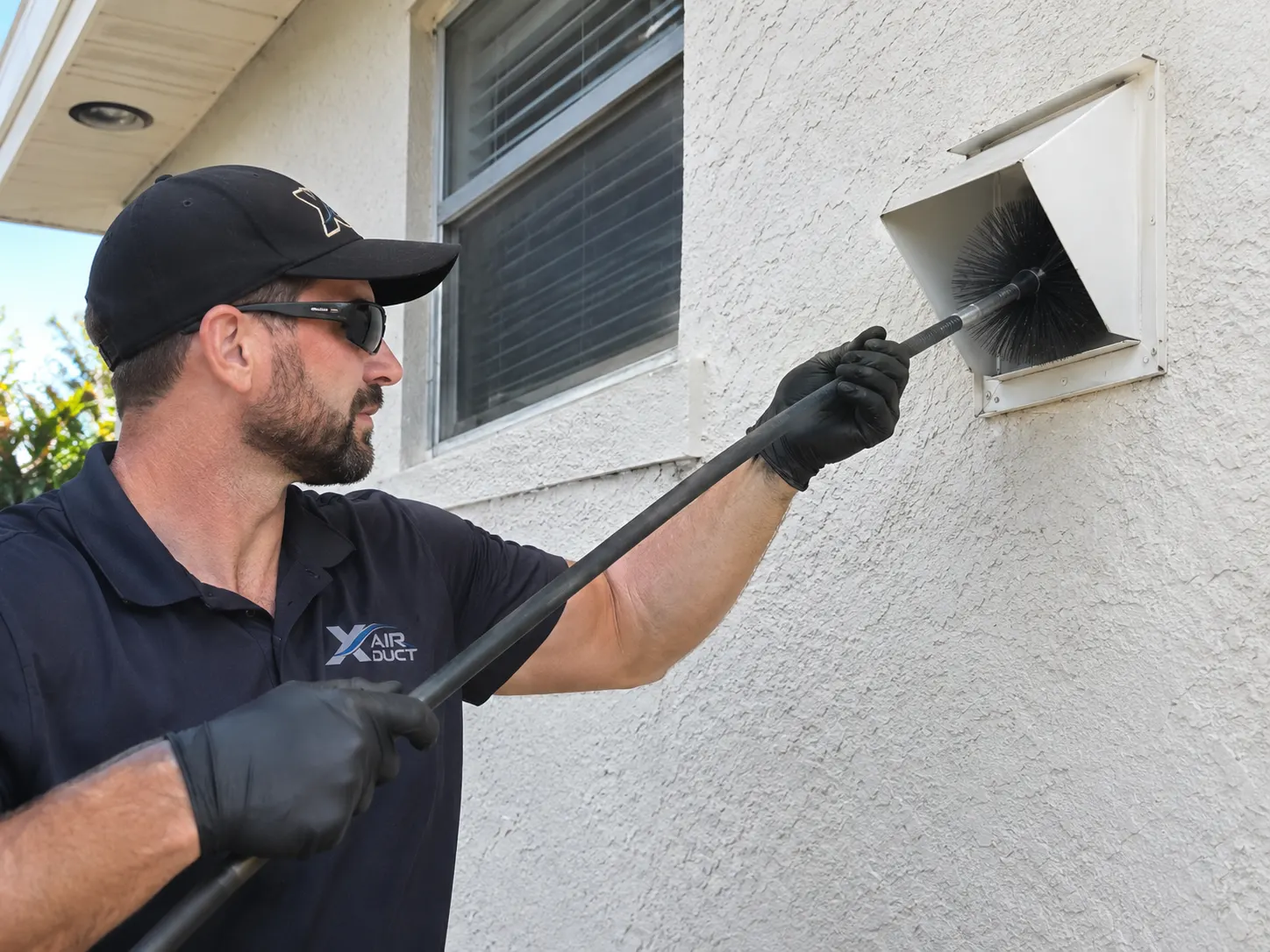
The short answer
Condo dryer vents are often longer and less accessible than single-family vents, and part of the run may belong to the building. Start by confirming with your association which portion you are responsible for, then maintain your section and report symptoms promptly.
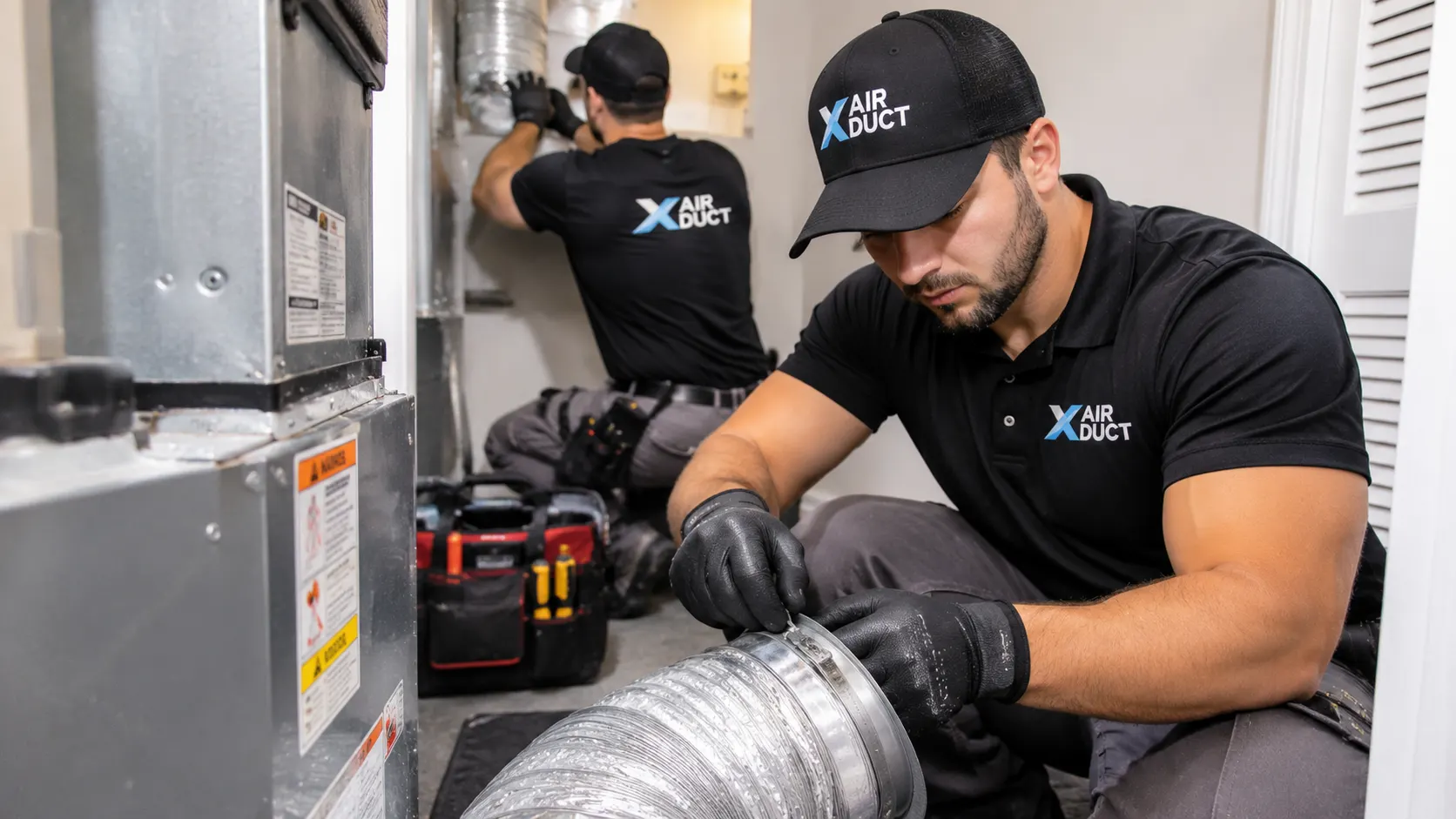
Photography is illustrative of the type of work we perform. It does not depict specific completed jobs or named employees.
Who owns what
Some buildings treat the vent inside your unit as yours and the chase as common. Others manage all vents centrally. Your governing documents or manager can clarify.
Access and rules
Contractors may need to be registered, insured, and scheduled. Elevator reservations and work hours are common requirements.
What owners can do
Clean the lint screen every load, keep the transition uncrushed, and report long drying times. Neighbors with similar symptoms may indicate a building-level issue.
Know your boundaries first
In a condominium, the dryer vent may be partly yours and partly the building’s. A typical arrangement is a unit-owned transition and horizontal run that connects to a shared vertical chase or an exterior wall termination maintained by the association. Before scheduling, ask management which components are the owner’s responsibility, whether the building has a scheduled vent maintenance program, and what contractor requirements apply.
Owner checklist
Responsibilities that usually fall to the unit owner:
- Cleaning the lint screen every load.
- Keeping the transition short, uncrushed, and properly connected.
- Watching drying times and reporting changes to management.
- Arranging inspection of the unit-owned run when needed, with association approval.
- Providing access for building-wide programs.
- Keeping the laundry closet clear so the dryer can breathe.
Why condo vents need attention
Condominium runs are often long and horizontal, because the dryer sits in an interior closet far from an exterior wall. Long horizontal ducts lose air speed and collect lint more readily than short wall vents. Upper-floor units may also have restricted access to terminations. That combination makes drying time the most important early warning sign.
Working with management
If several owners notice slower drying at the same time, that pattern can point to a shared issue, such as a blocked chase or termination, which only the association can address. Report it in writing. For unit-level work, send us building requirements up front, including insurance certificate details, elevator procedures, and hours, so the visit can be scheduled without delays.
Example: the building-wide pattern
Several owners on the same stack notice slower drying over a few months. Individually, each assumes their dryer is aging. When they compare notes, the pattern points to a shared chase or termination. A written report to management prompts the association to inspect the common path. Unit owners still maintain their own transitions and runs, but the shared problem is solved at the building level.
Questions to ask your association
Ask when the building last inspected or cleaned common exhaust paths, whether there is a schedule, who maintains exterior terminations, what contractors are approved, and how owners should report dryer problems. The answers tell you what you are responsible for.
Booster fans and long runs
Some buildings use booster fans to help exhaust travel long distances. These are mechanical devices that need their own maintenance, typically handled by the building or a qualified contractor. If your unit has one, ask management who maintains it and how you will know if it fails.
A condo owner’s yearly routine
Each year, confirm the association’s vent maintenance schedule, pull the dryer out to check the transition, compare drying times with the previous year, and arrange an inspection of the unit-owned run if drying has slowed. Keep any building notices about exhaust maintenance with your unit records.
Moving in or renovating
When you buy a unit or renovate the laundry closet, ask how the vent is routed and where it terminates. Renovations are a good time for an installer to shorten or straighten the unit-owned run if the building allows.
Limitations to keep in mind
We can only clean portions of a vent we are authorized to access.
Takeaway
Clarify ownership first. It decides who schedules the work.
Related reading and services
Have a question about your own system? X Air Duct brings 18 years of industry experience.
Request an estimate