The short answer
Miami condominiums commonly have closet air handlers, ducts concealed above dropped ceilings or soffits, dryer vents that tie into building systems, and association rules governing contractors. Maintenance starts with understanding which parts are yours.
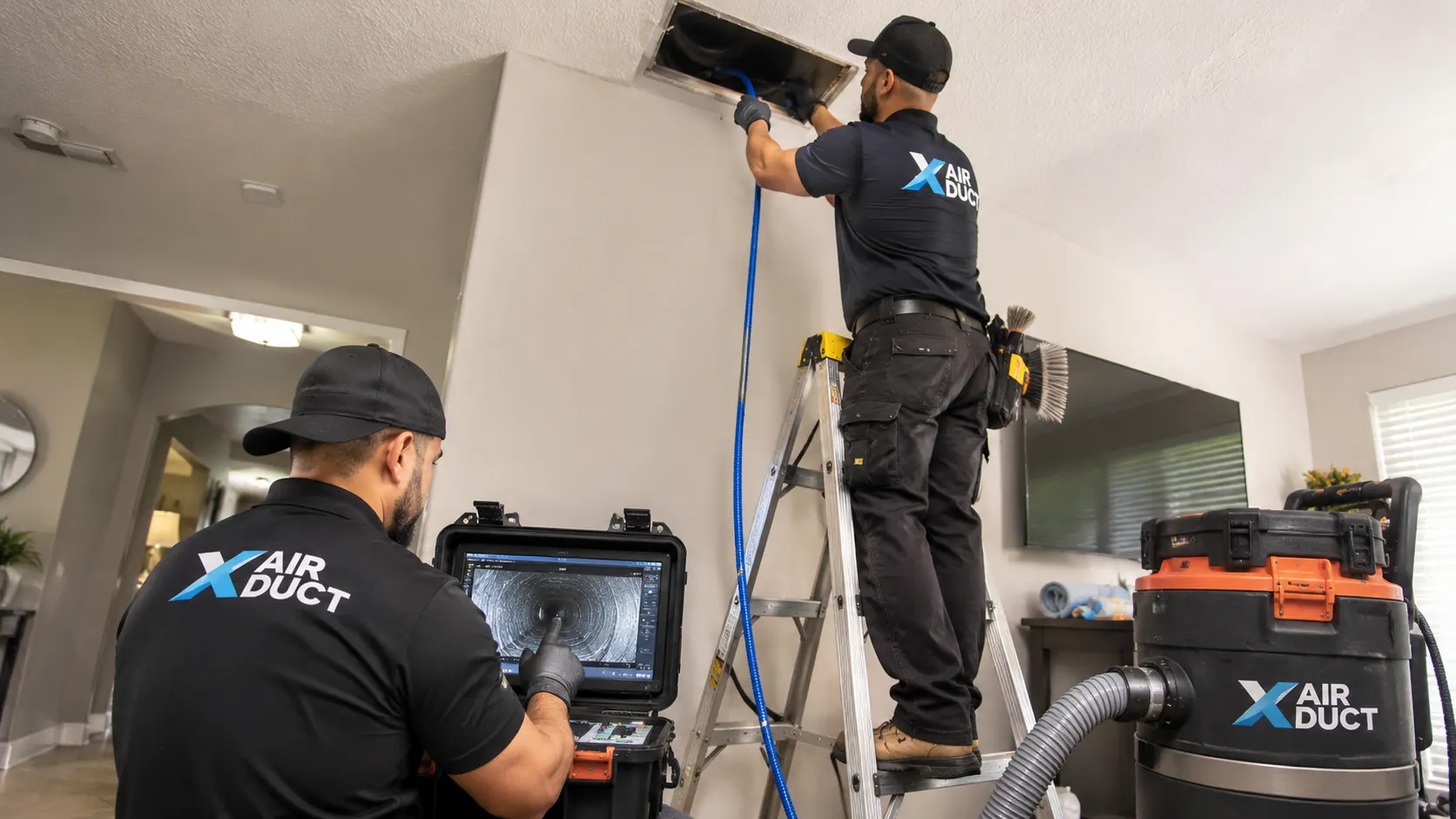
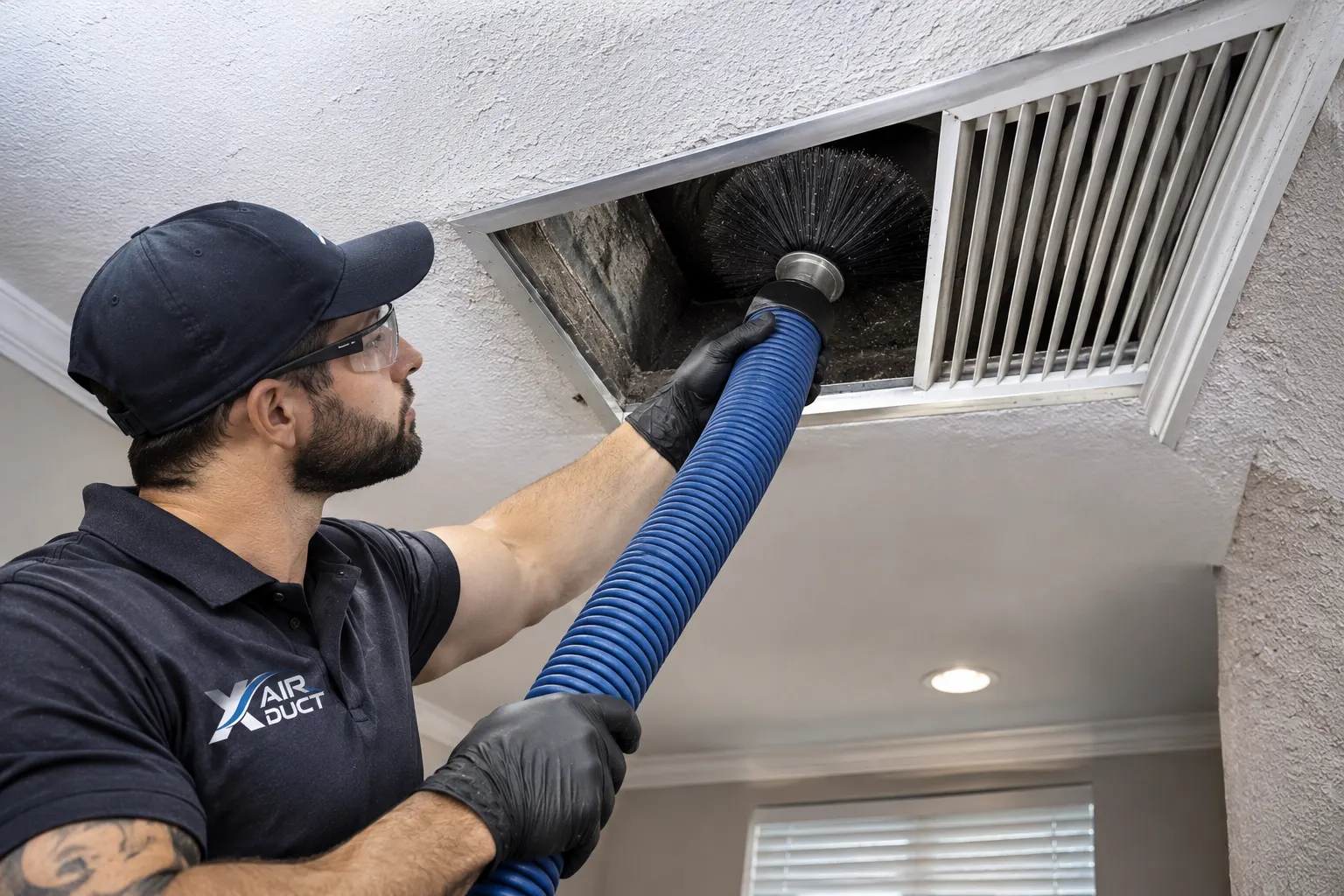
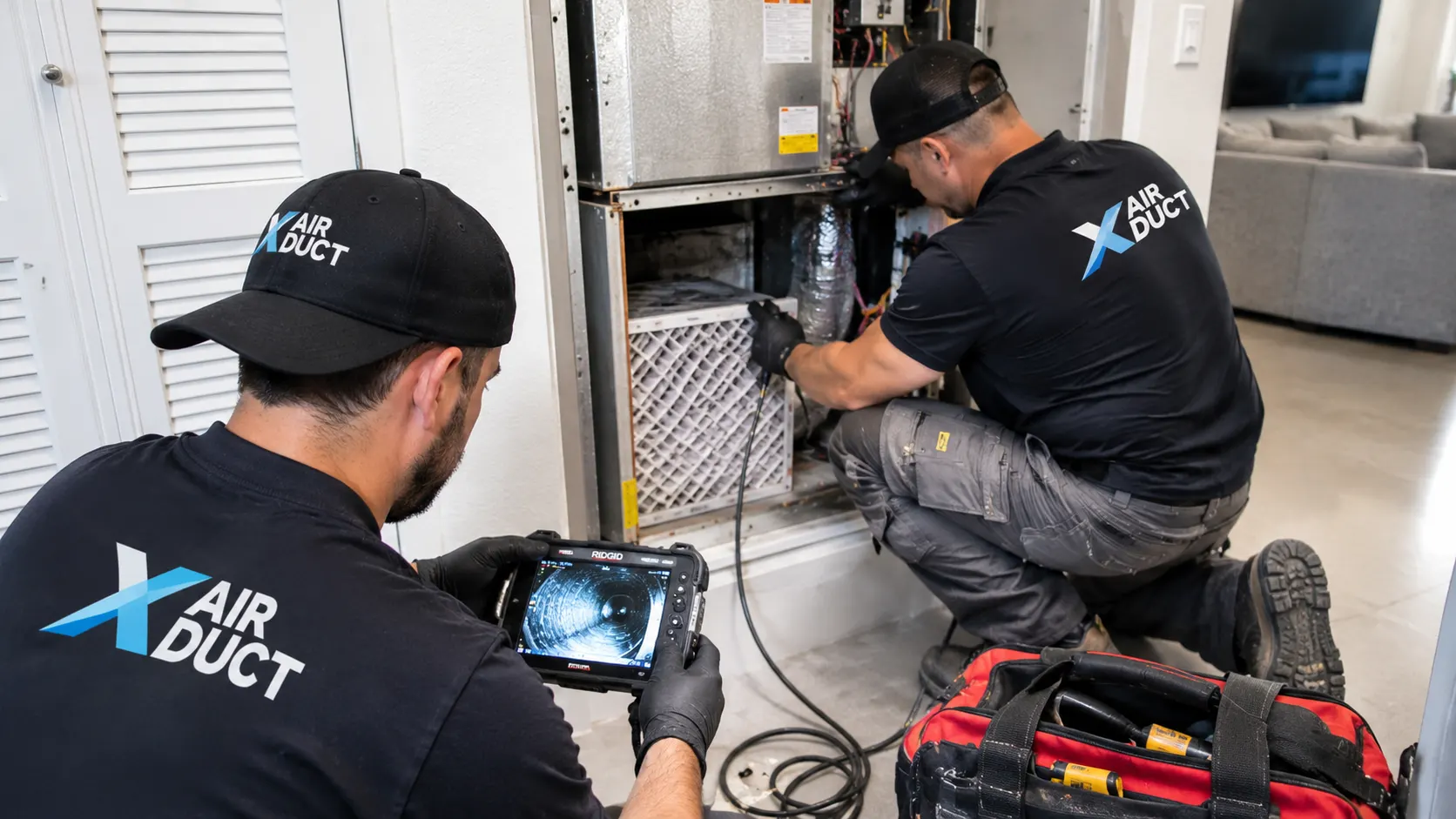
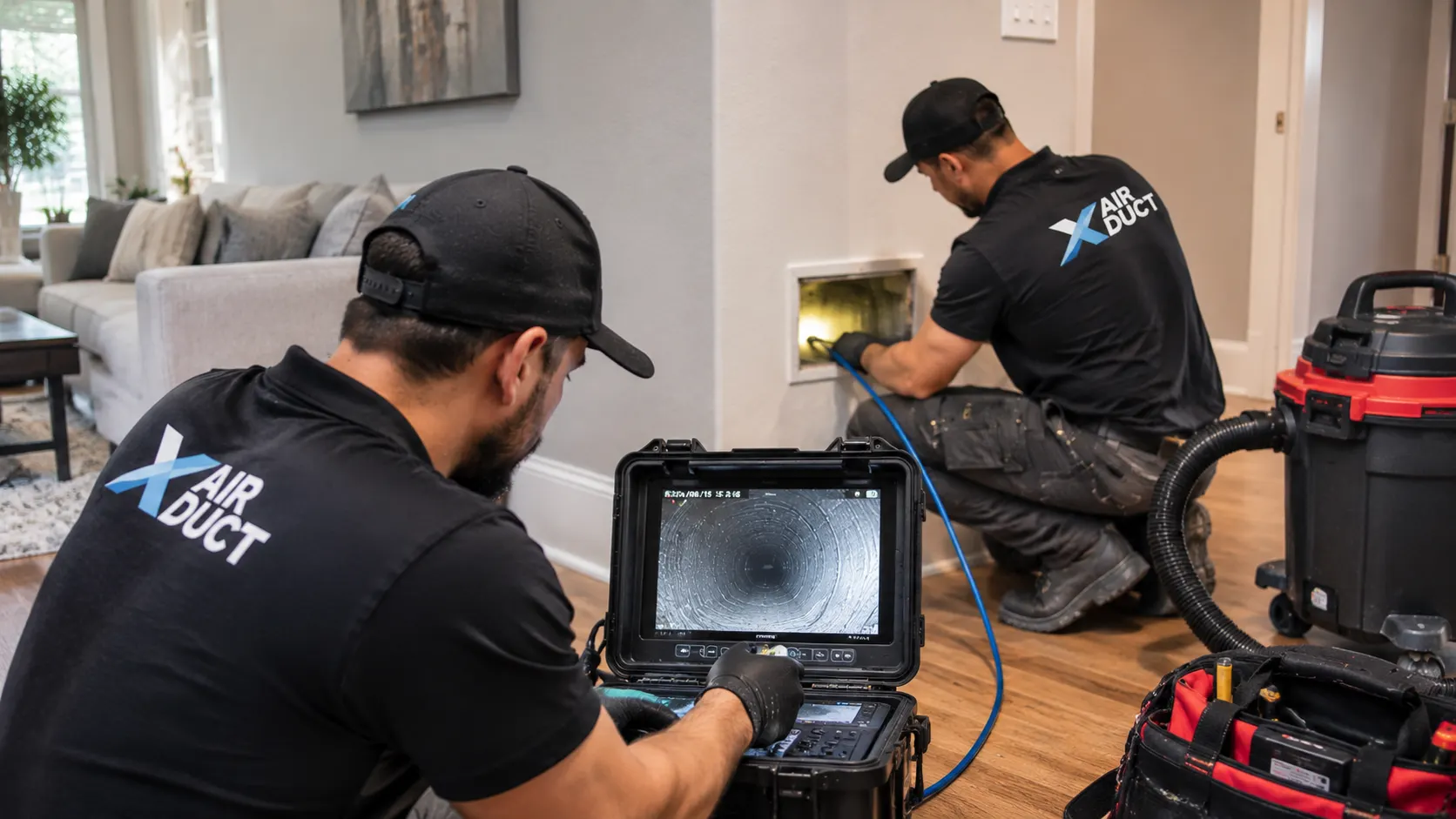
Photography is illustrative of the type of work we perform. It does not depict specific completed jobs or named employees.
Inside the unit
Owners usually control the air handler, filter, registers, and in-unit duct runs.
Building systems
Exhaust chases and some ventilation are building-managed. Report symptoms to management.
Scheduling
Plan around elevator reservations, insurance requirements, and permitted work hours.
Typical condominium system layout
A Miami condominium unit usually has its own air handler in a closet or above a ceiling, connected to short supply runs hidden in dropped ceilings or soffits and a return grille in a hallway or the closet door. Condensate drains into building lines, and the dryer, if present, may vent horizontally to an exterior wall or into a shared chase. Many components are concealed, which limits what can be inspected or cleaned without opening finishes.
Association coordination checklist
Before any ventilation work, confirm with management:
- Contractor registration and certificate of insurance requirements.
- Elevator reservation procedures and loading areas.
- Permitted work hours and noise rules.
- Which components are owner-maintained versus building-maintained.
- Whether a building-wide dryer vent or exhaust maintenance program exists.
Seasonal and investor-owned units
Units that sit empty for months can develop humidity problems if the air conditioning is turned off or set too high. Ask an HVAC contractor about appropriate settings for unoccupied periods. On return, check the filter, look for water around the air handler, note any musty smells, and run the dryer briefly while checking exhaust before resuming full use.
Setting realistic expectations
Because condo ducts are partly concealed, a clear conversation about reachable components is essential. We explain what can be inspected and cleaned from registers, returns, and access panels, and what would require opening ceilings. We do not overstate results, and we report anything that belongs to the association or an HVAC contractor.
Example: the closet air handler
In many Miami units, the air handler sits in a hallway closet with a louvered door that serves as the return. Owners often store items in the closet, blocking airflow and adding dust. Clearing the closet, keeping the filter accessible, and checking the drain pan area are simple habits that make a measurable difference.
Dryer exhaust in towers
Long horizontal runs from interior laundry closets to exterior walls are common. Watch drying times closely, keep the transition short, and report slow drying in writing. If the building has a booster fan or shared chase, maintenance belongs to the association.
Limits
Building systems, shared chases, and equipment repairs are outside the scope of unit-level duct cleaning. We report what we see and leave building decisions to management.
Questions Miami condo owners ask
Can my ducts be cleaned without opening ceilings? Often partly, through registers, returns, and access panels; we explain what is reachable. Who handles the dryer vent? The unit portion is usually yours; shared paths belong to the building. Do I need association approval? Usually, yes. Can work be done while I am away? Building access rules decide that, so ask management first.
Investor-owned units
Owners who rent their units should include filter access and dryer guidance in tenant materials, schedule checks at turnover, and keep management informed of any work.
Example: renovation in a tower unit
An owner renovates a kitchen and bathrooms in a Brickell unit while running the air conditioning. Afterward, fine dust appears on surfaces daily. Inspection of the return and nearest supplies, accessed through registers and the closet, shows construction dust. Cleaning reachable components, replacing the filter, and confirming building approval for the visit resolves the issue within the unit.
Limitations to keep in mind
Some concealed ducts cannot be accessed without opening finished surfaces.
Takeaway
Read your condo documents before scheduling any ventilation work.
Related reading and services
Have a question about your own system? X Air Duct brings 18 years of industry experience.
Request an estimate