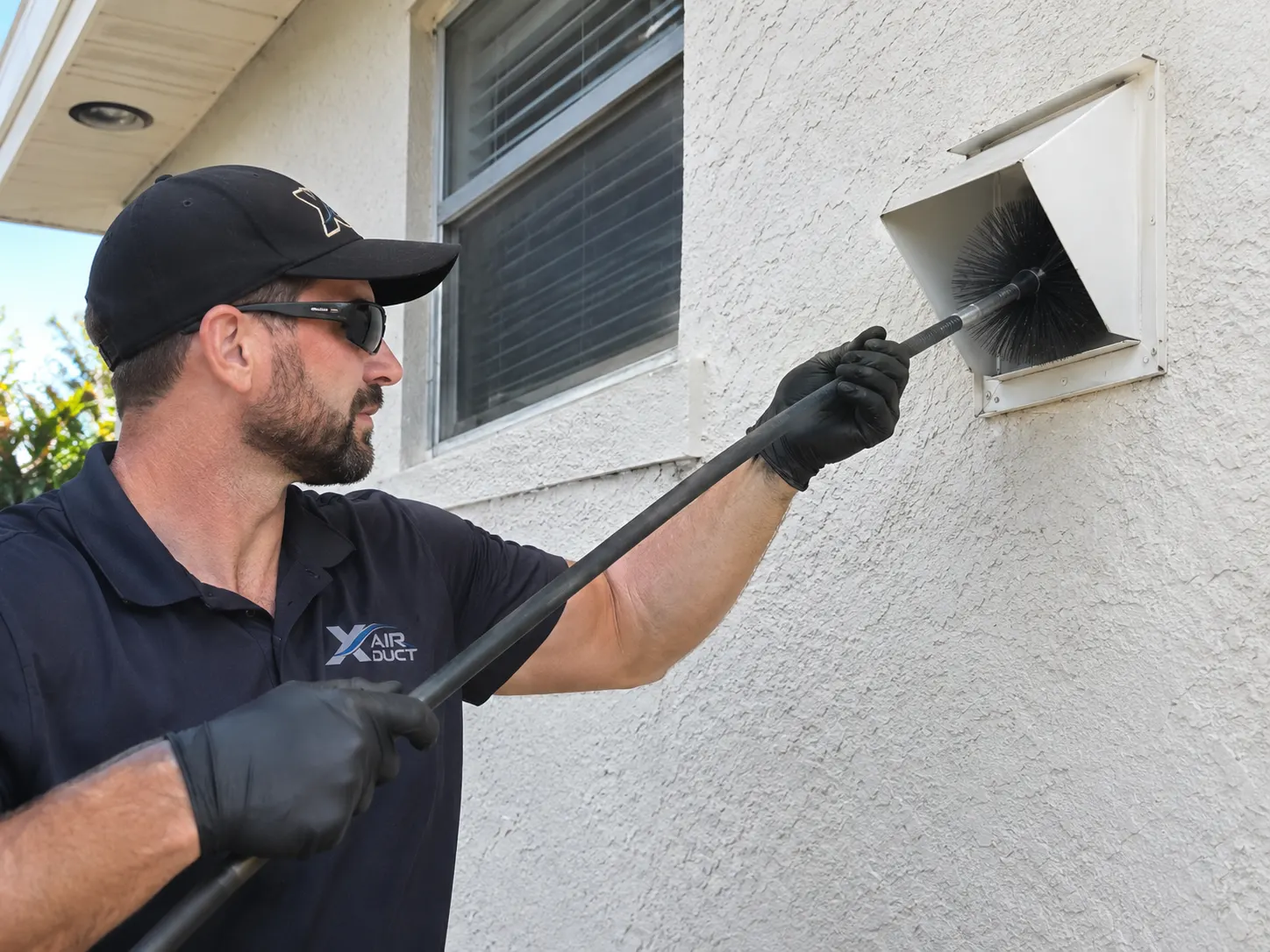
The short answer
Restricted exhaust is one of the most common causes: if humid air cannot leave, clothes stay damp. Other causes include overloading, a dirty lint screen, incorrect settings, and appliance faults such as heating element or sensor problems.
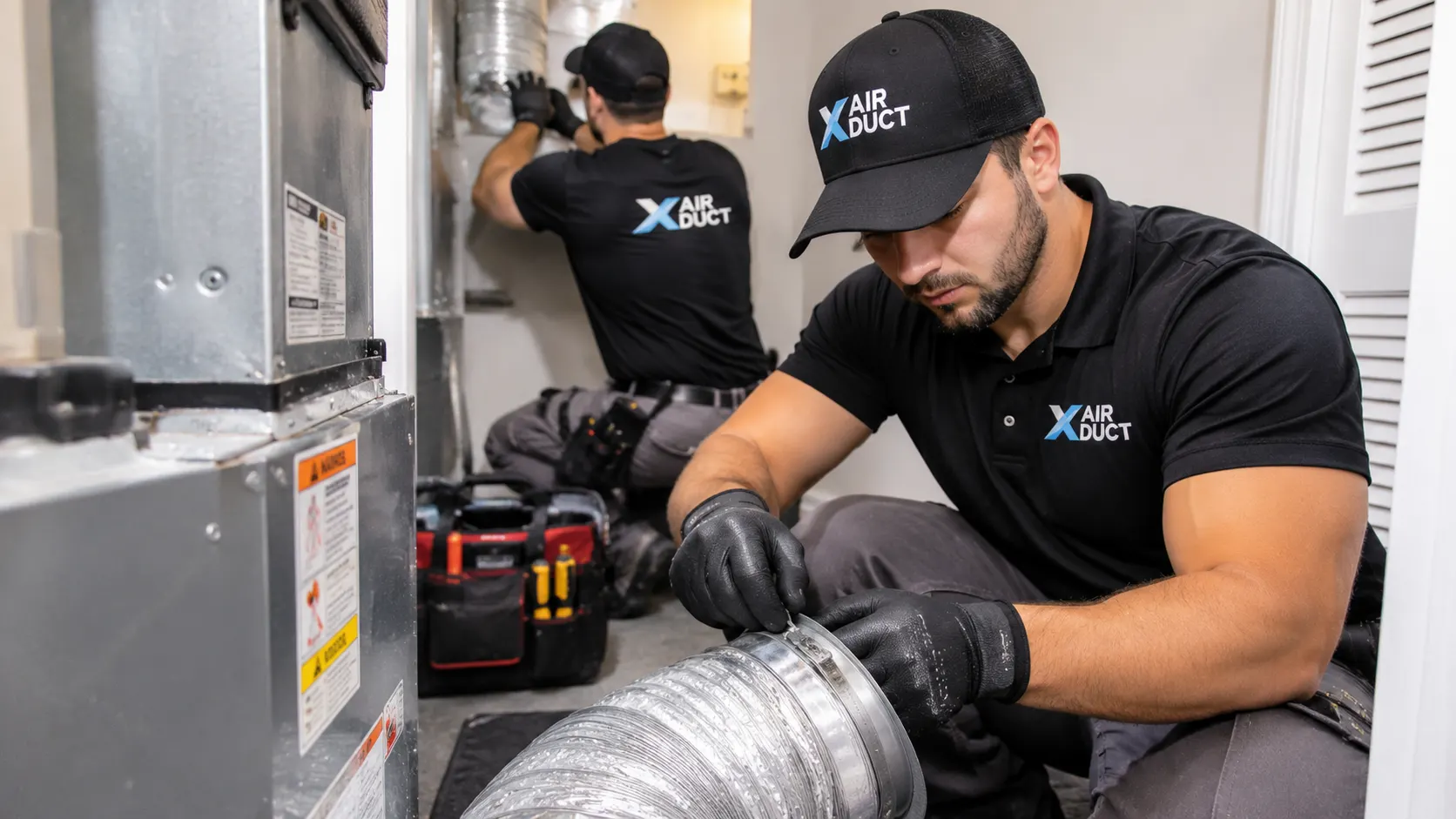
Photography is illustrative of the type of work we perform. It does not depict specific completed jobs or named employees.
Rule out the easy causes
Check these first:
- Is the lint screen clean?
- Is the load too large or unusually heavy?
- Is the cycle and heat setting right for the fabric?
- Is the washer spin cycle leaving clothes very wet?
Check the exhaust
Run the dryer and check the exterior hood. Weak airflow points to restriction. Inspect the transition hose behind the dryer for kinks.
When it is the appliance
If the dryer runs cool, or the vent is clear and airflow is strong yet clothes stay damp, the dryer itself may need service from an appliance technician.
Rule out the simple causes first
Longer drying times have many possible causes, and some have nothing to do with the vent. Work through this list before assuming the duct is blocked:
- Is the lint screen clean and not coated with softener residue?
- Is the load larger than usual, or full of heavy items like towels and jeans?
- Is the washer spinning properly, or are clothes coming out wetter than normal?
- Is the dryer set to the correct heat and cycle?
- Is the transition hose behind the dryer kinked or crushed after the machine was moved?
Signs pointing to the vent
If the basics check out, the exhaust path becomes the prime suspect. A weak flow of air at the exterior hood, a hood flap that barely opens, a laundry room that feels hot and humid, and lint visible at the dryer door seal all suggest the vent is restricting airflow. In condominiums with long horizontal runs, gradual slowing over months is a common pattern.
Signs pointing to the appliance
If the vent is clear and airflow at the hood is strong, the issue may be the dryer itself: a heating element, gas igniter, thermostat, or sensor. Clothes that come out cold rather than damp suggest a heat problem. Those repairs belong to an appliance technician. A vent inspection can help rule the exhaust path in or out so you call the right professional.
Why not keep running extra cycles
Running more cycles costs energy and time, but the bigger concern is what a restricted vent means. The USFA notes that failure to clean is a leading factor in dryer fires. Treat a sudden or steady increase in drying time as a reason to investigate, not something to work around.
A step-by-step check you can do in fifteen minutes
Run through this sequence in order:
- Clean and rinse the lint screen; confirm water passes through.
- Pull the dryer out and inspect the transition for crushing or disconnection.
- Run a load on high heat and check airflow at the exterior hood.
- Check whether the flap opens fully and is free of debris.
- Feel the clothes at the end of the cycle: damp suggests airflow; cold suggests heat.
- If airflow is weak, schedule a vent inspection; if heat is missing, call an appliance technician.
Could the washer be the cause?
Yes. If the washer is not spinning out water properly, perhaps due to an unbalanced load or a drain issue, clothes enter the dryer much wetter and take longer. Compare how heavy a load feels coming out of the washer with what you are used to. If it seems unusually wet, the washer may need attention.
Limitations to keep in mind
X Air Duct cleans and inspects vents; we do not diagnose or repair dryer appliances.
Takeaway
Check the screen, the load, and the exterior airflow. Then decide whether it is the vent or the dryer.
Related reading and services
Have a question about your own system? X Air Duct brings 18 years of industry experience.
Request an estimate