The short answer
The most frequent problems are crushed or kinked transition hoses, thin plastic or foil materials where the manufacturer specifies metal, runs that exceed manufacturer length limits, too many bends, disconnected joints, and exterior terminations with screens that trap lint.
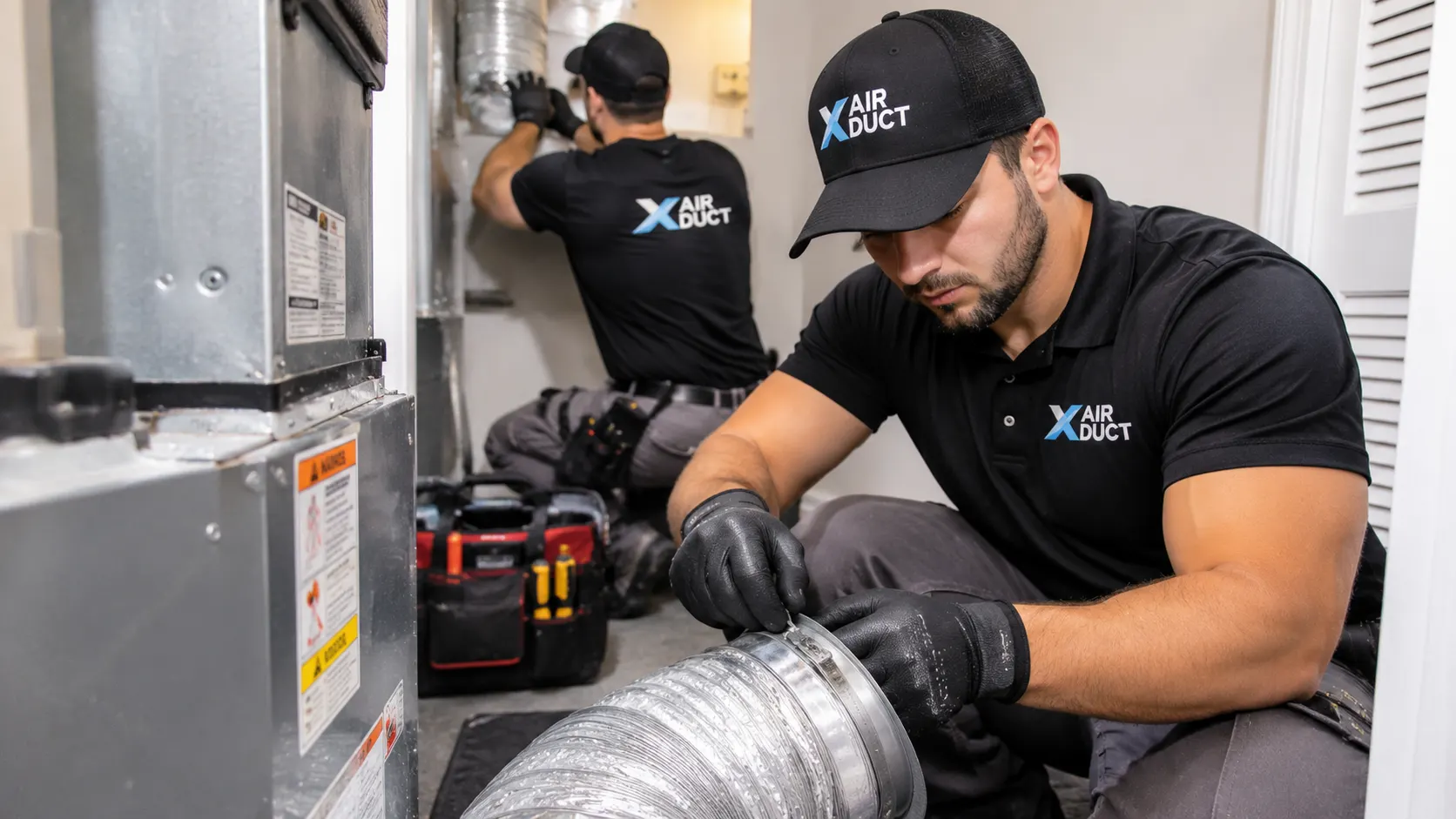
Photography is illustrative of the type of work we perform. It does not depict specific completed jobs or named employees.
Transition problems
Dryers pushed tight against the wall flatten the hose. Excess hose length sags and collects lint.
Material problems
Many dryer manuals call for rigid or semi-rigid metal duct. Check yours.
Routing problems
Long runs, many elbows, and runs through unconditioned spaces increase resistance and condensation.
Termination problems
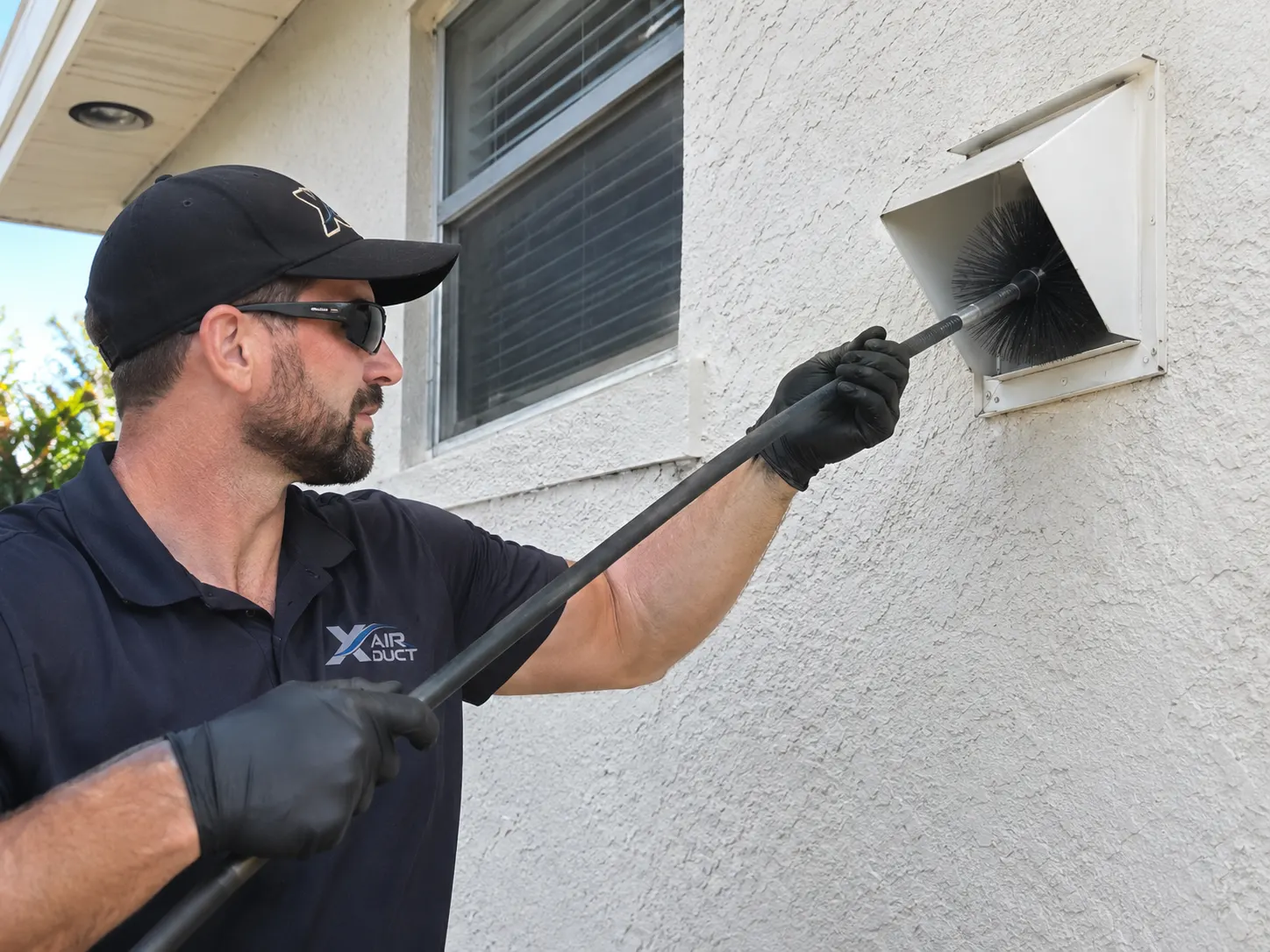
Screens on dryer hoods trap lint. Hoods that do not close admit pests.
Problems inspectors see repeatedly
Many dryer vent issues start on installation day. The most common patterns include:
- Plastic or foil accordion transition hoses, which crush easily and trap lint. The USFA flyer recommends rigid or flexible metal venting.
- Transitions that are far longer than needed and coiled behind the dryer.
- Excessive elbows or a route that wanders through the house.
- Sections joined with screws that protrude into the airflow and snag lint.
- Sagging horizontal runs that collect moisture and lint at low points.
- Screened terminations or hoods that do not open fully.
- Vents that end in an attic, crawl space, or garage instead of outdoors.
Why these choices matter
Each of these problems reduces airflow or gives lint a place to settle. A coiled foil hose can be partially crushed by the dryer itself. A vent ending indoors deposits lint and moisture into the building. A hood with a stuck flap can let pests and debris in while holding exhaust back. Small installation decisions add up over thousands of loads.
After an appliance swap
New dryers are often installed quickly, and the old transition is reused or a new foil hose is pushed against the wall. After any replacement, pull the dryer out a few inches and look: the transition should be as short and straight as practical, and the dryer should not sit tight against the wall crushing it. Check the exterior hood on the first load.
What we do and do not do
X Air Duct inspects and cleans dryer vents and will point out installation problems clearly. Correcting materials, rerouting, or replacing hoods is installer work, and we refer it rather than performing it. Following the dryer manufacturer instructions and local requirements is the standard any installer should meet.
How to spot problems yourself
Pull the dryer out a few inches and look at the transition: it should be metal, reasonably short, and free of kinks. Look at the exterior hood with the dryer running: the flap should open and there should be no screen. In the attic or ceiling space, if accessible, look for sagging or disconnected sections. Note anything unusual for an inspector or installer.
Why a short vent can still have problems
Even a short wall vent can fail if the transition is crushed behind the dryer, the hood has a screen, or the flap is painted shut. Length is only one factor; materials, connections, and the termination matter as much.
Who should correct installation problems
A qualified installer or appliance professional should correct materials and routing according to the dryer manufacturer’s instructions and local requirements. In condominiums, coordinate with management first.
Example: the hidden attic termination
During an inspection after a home purchase, the vent was traced into the attic, where it ended a few feet past the ceiling with no connection to the outdoors. Lint and moisture had been accumulating in the attic for years. The finding was documented and referred to an installer to extend the vent to a proper exterior termination before the dryer was used again.
Limitations to keep in mind
Correcting installation problems is repair work. X Air Duct does not offer dryer vent repair; a qualified installer should handle it.
Takeaway
Compare your setup with your dryer manual. Many problems are visible behind the dryer.
Related reading and services
Have a question about your own system? X Air Duct brings 18 years of industry experience.
Request an estimate