The short answer
Ask whether they will inspect first and show you the inside of your ducts, exactly what components are included, what tools they will use on your duct type, how they handle moisture or damage, and how pricing works before any work begins.
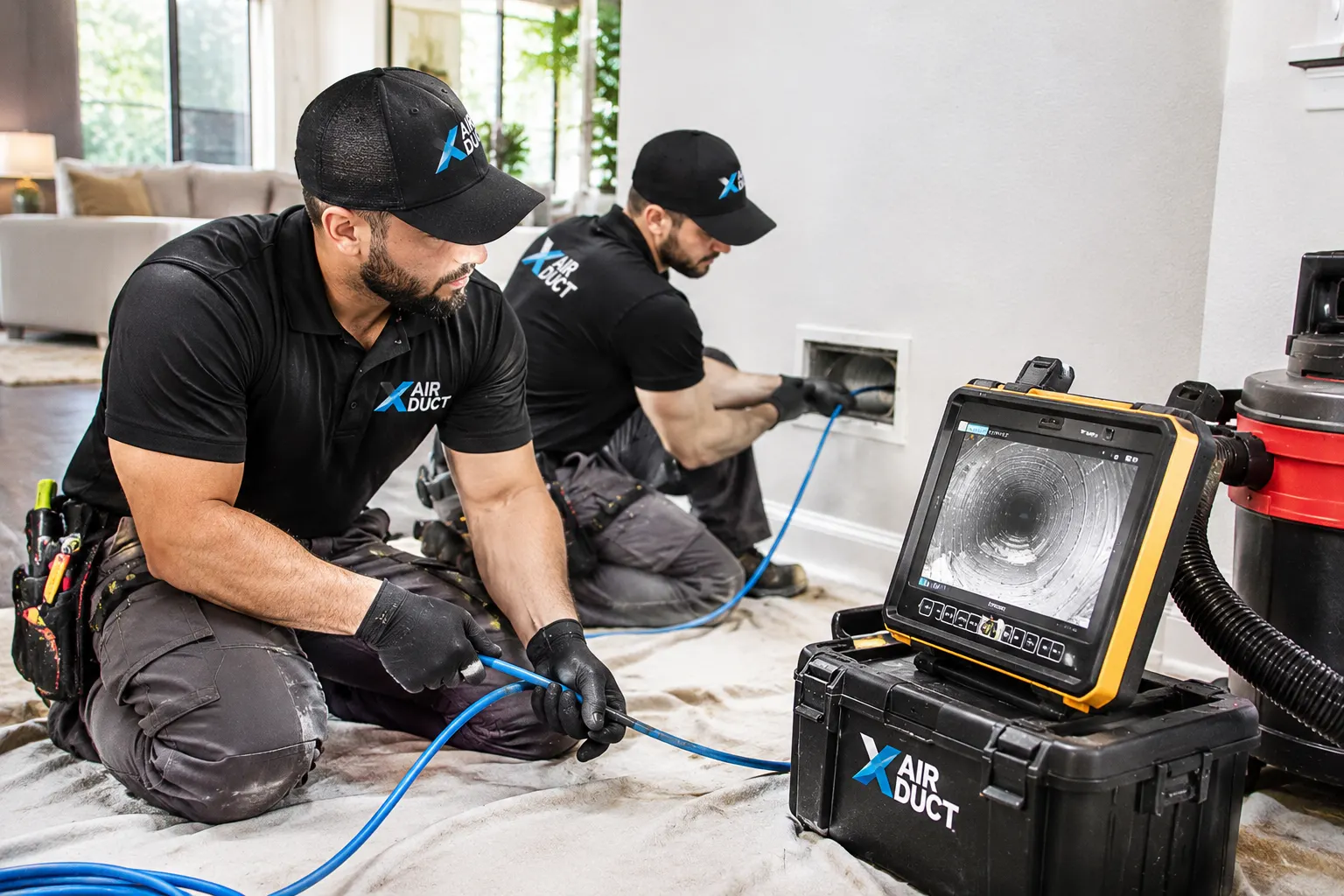
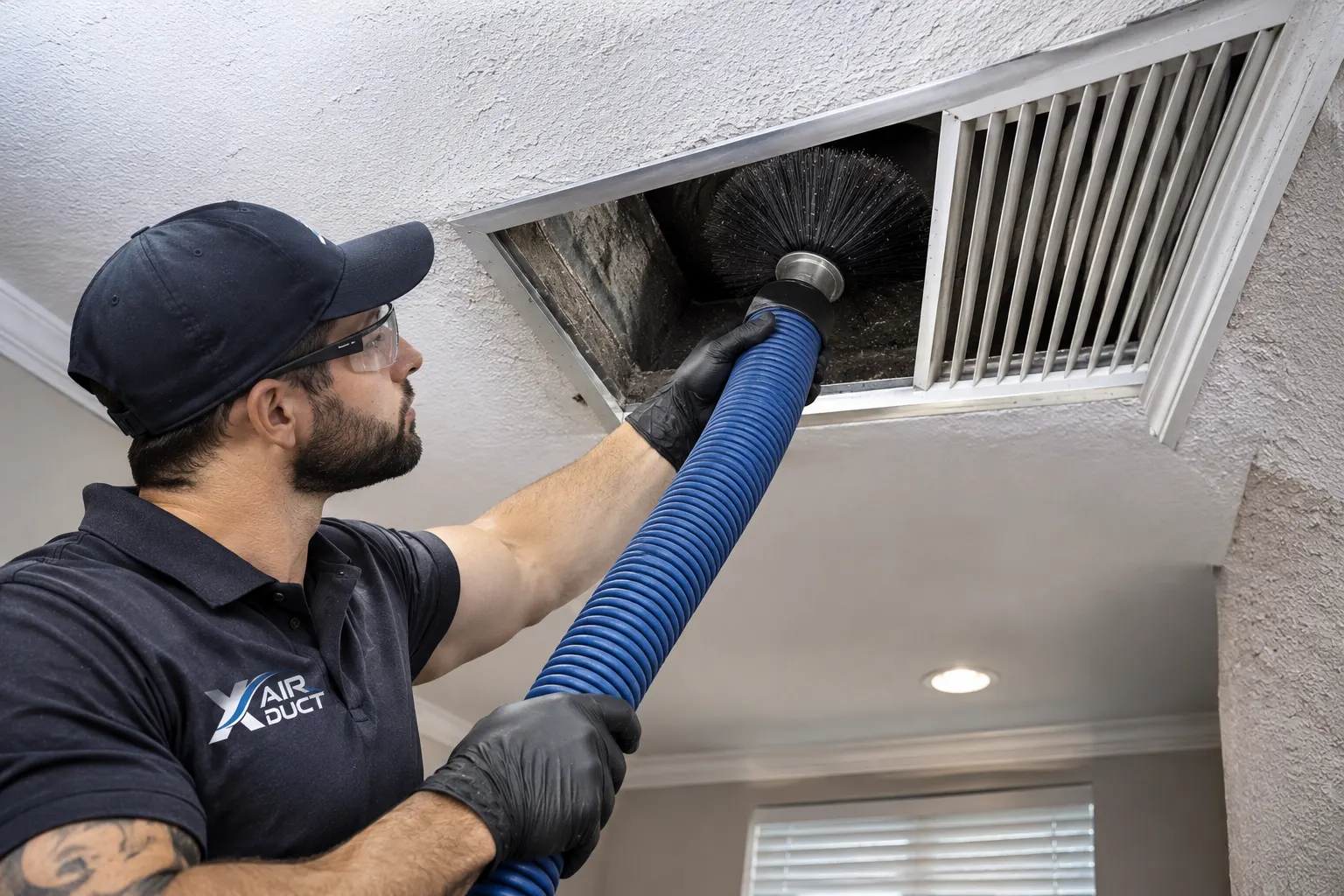
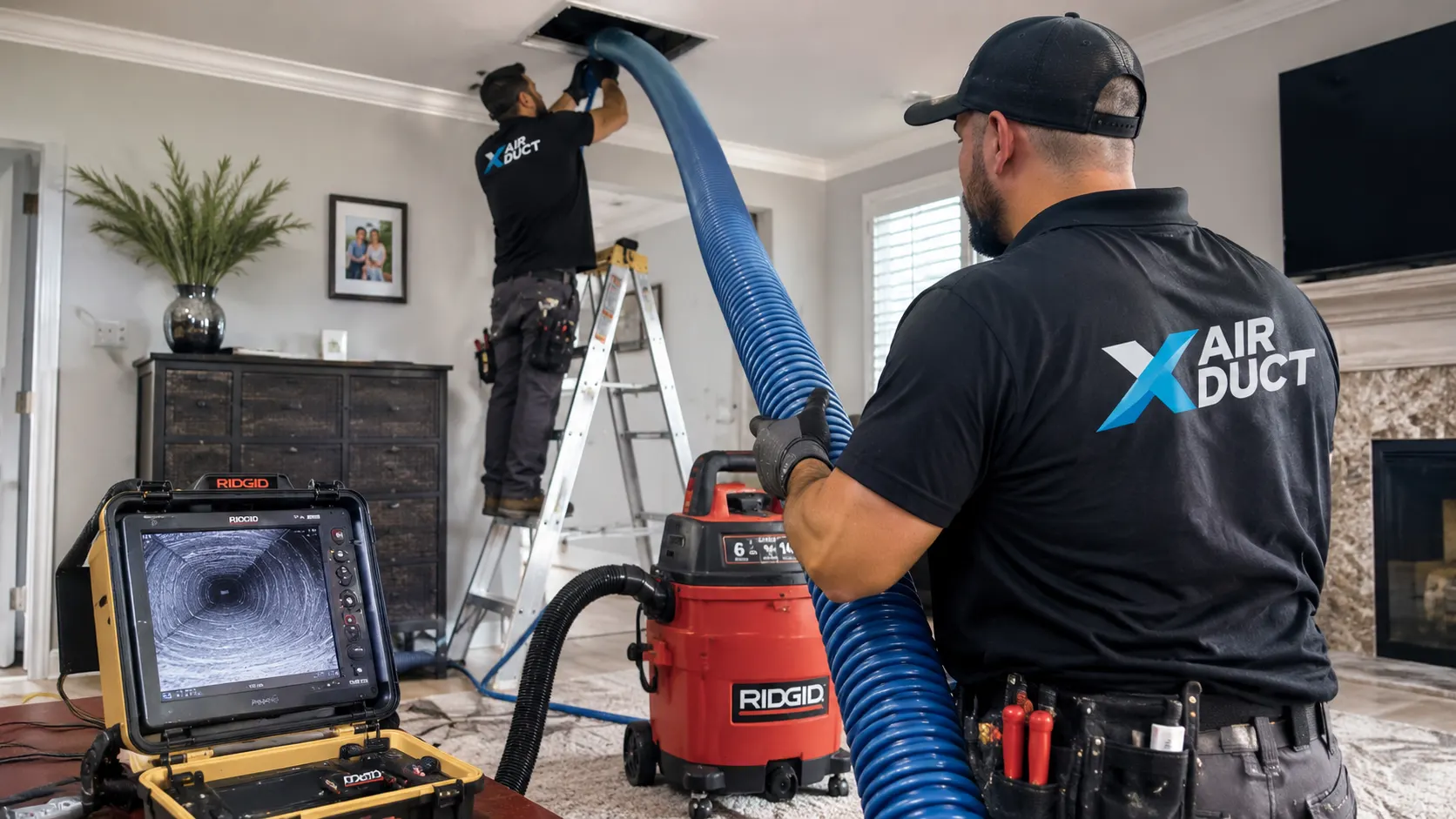
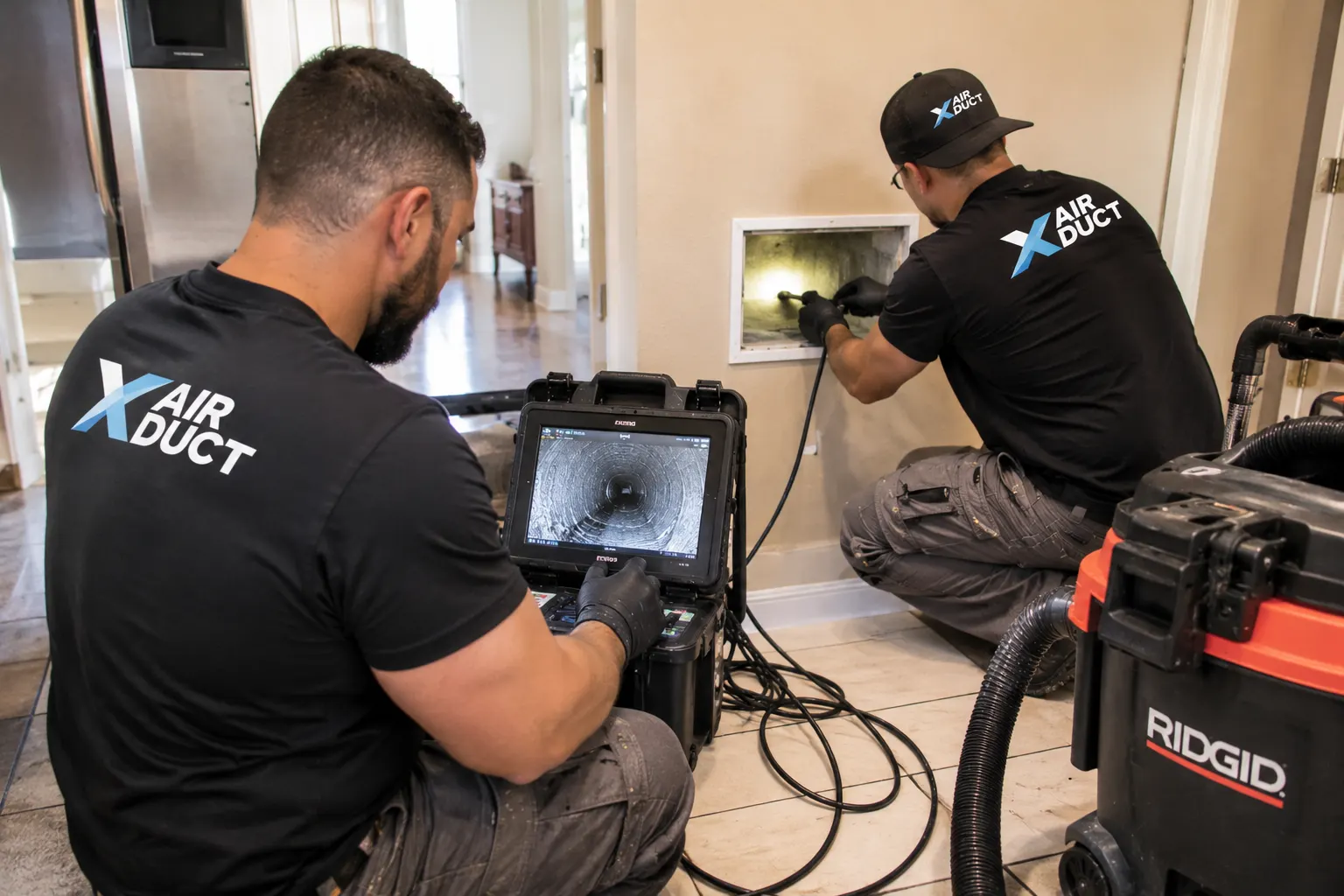
Photography is illustrative of the type of work we perform. It does not depict specific completed jobs or named employees.
Questions about scope
Clarify the boundaries of the job:
- Will you inspect before recommending cleaning?
- Which components are included: supply, return, registers, air handler area?
- Will any part of my system be inaccessible?
Questions about method
Understand how the work is done:
- Do you use negative pressure collection?
- What tools will you use on flexible duct?
- How will you protect floors and furniture?
Questions about honesty
These reveal how a company operates:
- Will you tell me if cleaning is not needed?
- Do you apply chemicals? If so, which and why?
- How is the price determined and when will I know it?
- What happens if you find something outside your scope?
Red flags
Extremely low advertised prices, health claims, refusal to show camera footage, and pressure to buy add-ons on the spot are all reasons for caution. The EPA also advises asking about chemical treatments before agreeing to them.
Scope questions the EPA suggests
The EPA suggests that consumers ask providers to clean all components of the system, not just the ducts that are easiest to reach. Useful questions include:
- Will you inspect first and show me what you find?
- Which components will you clean: supply ducts, returns, registers, grilles, plenums?
- What will you not be able to reach, and why?
- What tools will you use on my duct material?
- Will you apply any chemicals? (We do not.)
- What will I receive at the end of the visit?
Questions about how they work
Ask how the company protects floors and furnishings, how they keep debris from entering rooms, and how they handle pets and children. In a condominium, ask whether they can meet building insurance and scheduling requirements. Ask who will actually perform the work and how they will communicate findings.
Red flags to watch for
Be cautious of offers built around a very low headline price with unclear scope, claims that cleaning will cure allergies or prevent illness, pressure to buy sanitizers or coatings on the spot, and alarming findings shown without letting you look into the duct yourself. The EPA specifically warns consumers to be wary of providers who make health claims or recommend routine chemical treatments.
How X Air Duct answers these questions
We start with conversation and inspection, describe scope and limits in plain language, use mechanical methods only, invite you to watch the camera, and summarize what was done and what could not be reached. We publish no prices or response promises because both depend on your property, and email at info@xairduct.com is our only published contact.
Questions about your specific property
General questions only go so far. Ask about the things that make your home different: How will you handle the flexible duct in my attic? Can you reach the ducts above my condo’s dropped ceiling? What will you do about the return in my garage? How will you protect the hardwood in the hallway? A provider who answers these specifically has thought about your home rather than a generic house.
What a good answer sounds like
A trustworthy answer is specific and includes limits: we will clean these supplies and returns, we cannot reach this concealed section, we will use air-driven tools on your flexible duct, and we will show you the camera. Vague promises of a perfectly clean system or improved health are the opposite of what you want to hear.
Limitations to keep in mind
Good answers improve your odds, but you should still review the scope in writing before work begins.
Takeaway
A company that inspects first and explains clearly is usually a company that cleans carefully.
Related reading and services
Have a question about your own system? X Air Duct brings 18 years of industry experience.
Request an estimate