The short answer
Fort Lauderdale combines waterfront single-family homes, high-rise condominiums, and many rentals. Dryer vent maintenance depends on whether your vent exits a wall, runs through a garage, or joins a building system, and on how heavily the dryer is used.
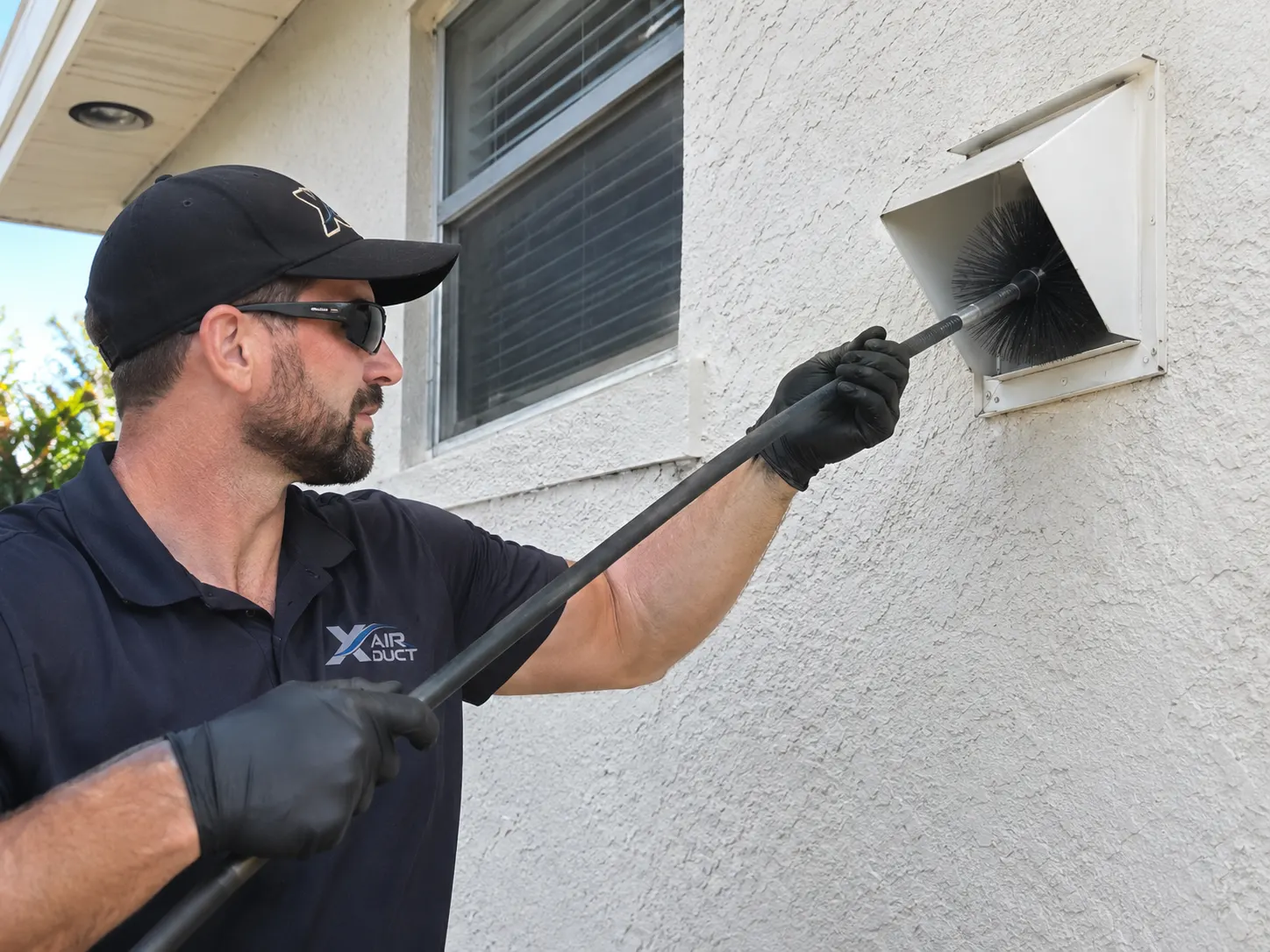
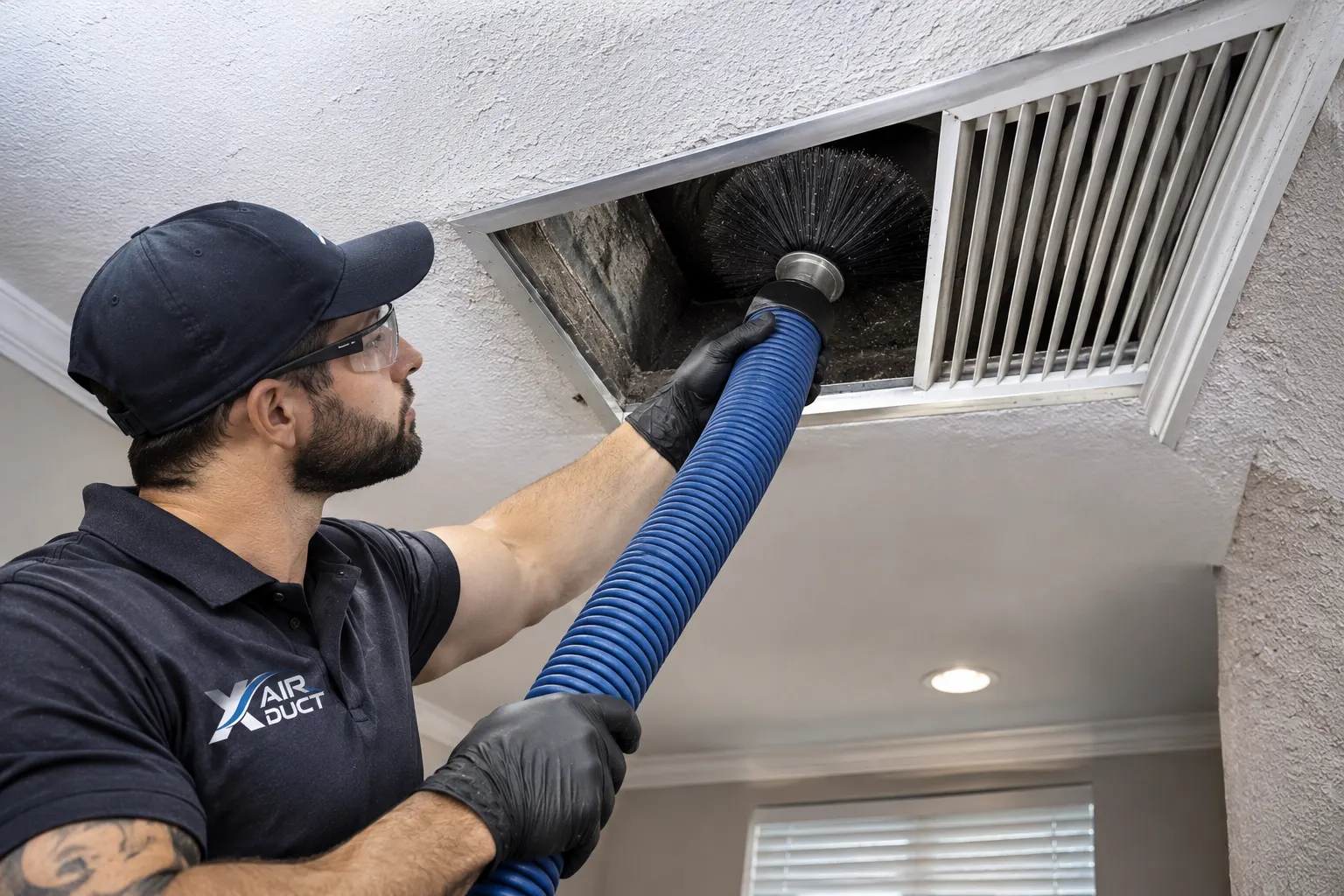
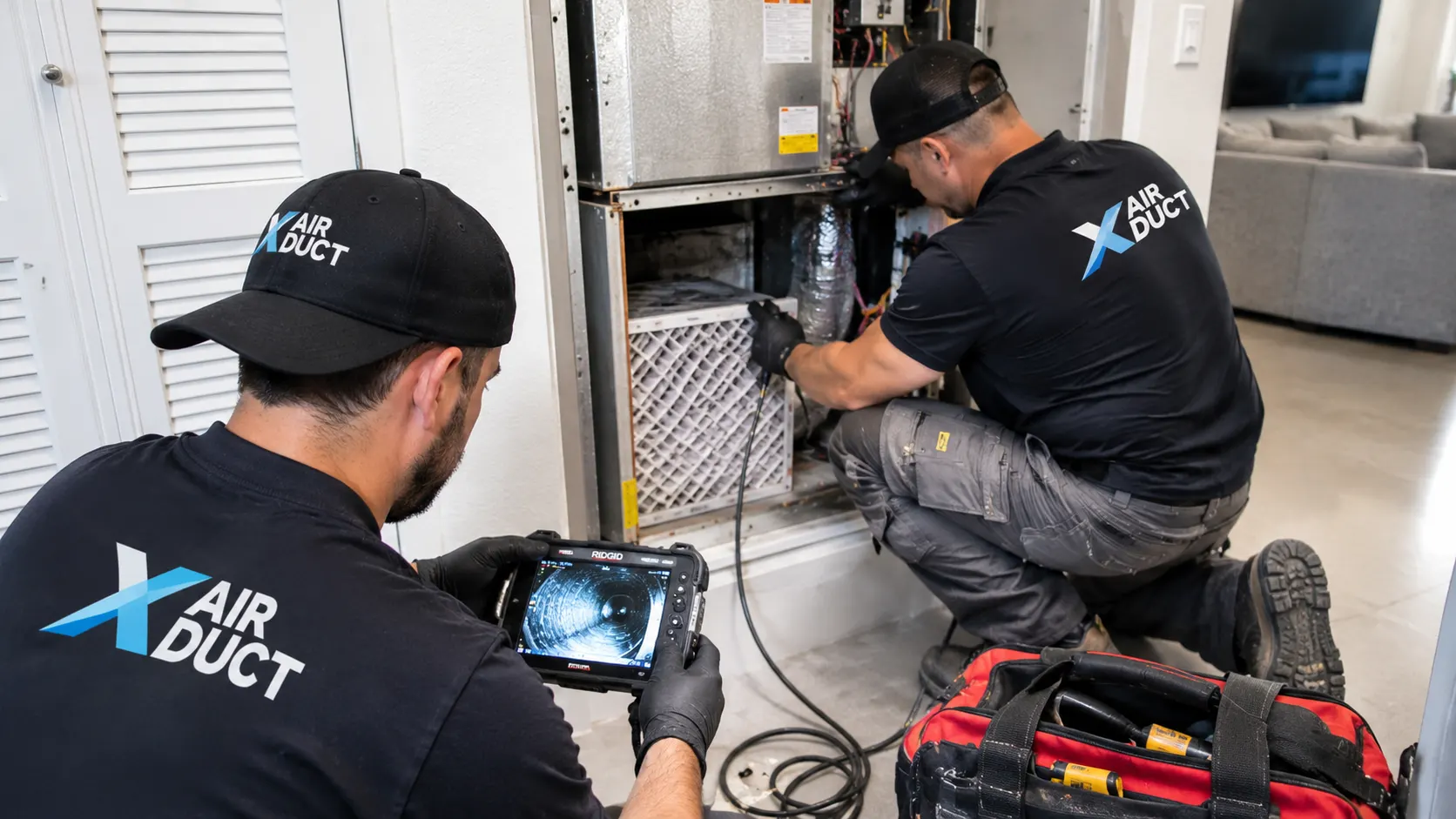
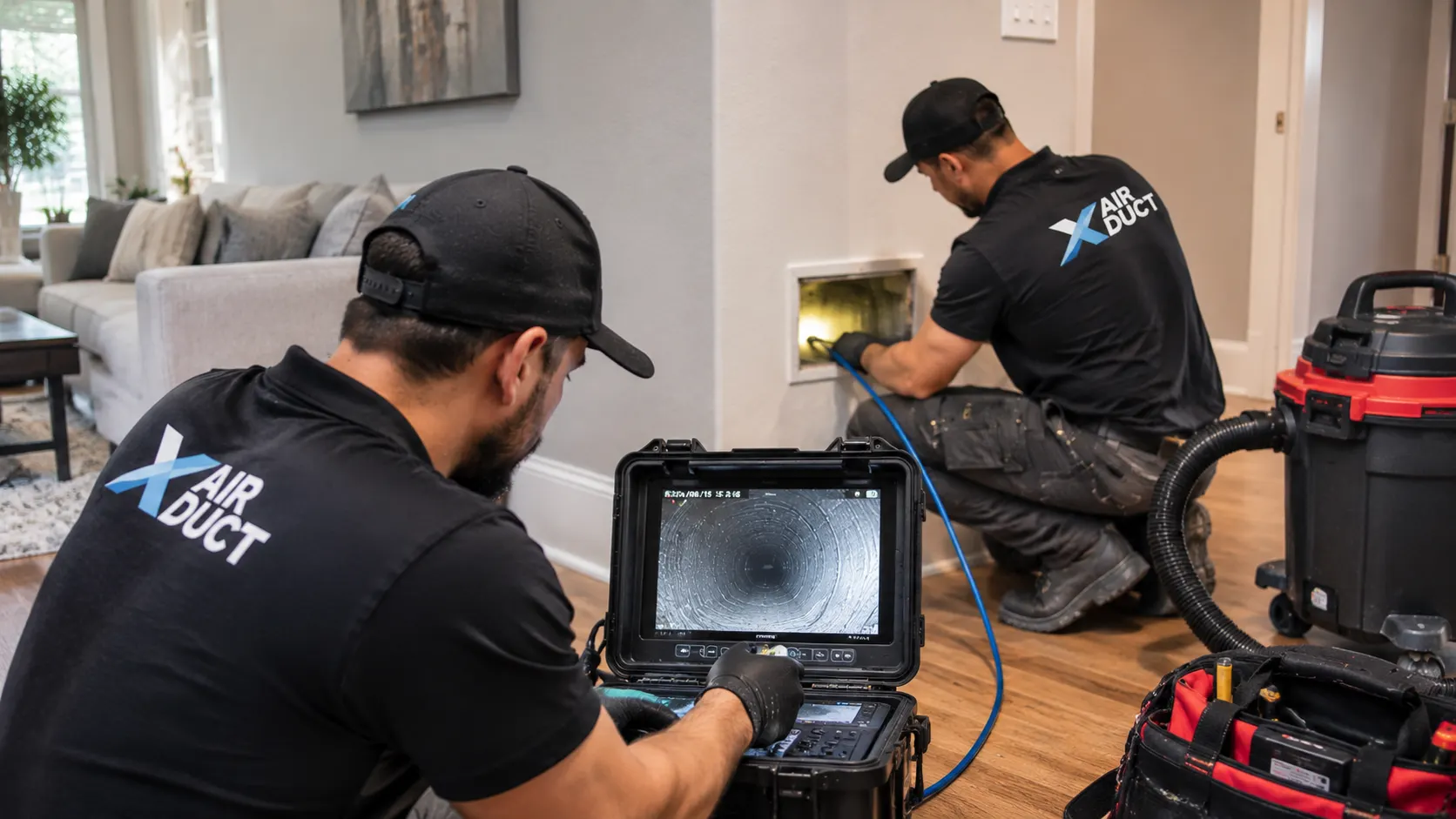
Photography is illustrative of the type of work we perform. It does not depict specific completed jobs or named employees.
Waterfront homes
Exterior hoods face salt air and wind. Check flaps regularly.
High-rise living
Long horizontal runs and association-controlled chases are common. Clarify responsibility.
Rentals and short stays
Heavy turnover means heavy dryer use. Track vent checks between occupants.
Vent paths vary across the city
Fort Lauderdale has single-family homes with short wall vents, canal-front homes with laundry rooms facing the water, townhomes with upstairs laundry, and high-rise units with long horizontal runs. The maintenance approach depends on which you have. A short wall vent may need attention less often than a condominium run of considerable length with several turns.
Waterfront and coastal exposure
Canal-front homes frequently vent toward the water side, where salt and wind affect the hood. Check flaps for corrosion and debris, especially after storms. Consider whether the hood faces a prevailing breeze that holds the flap closed; an installer can advise on alternatives.
Rental and turnover routines
Fort Lauderdale’s rental market makes turnover a natural moment for dryer vent maintenance:
- Check the transition hose whenever the dryer is moved or replaced.
- Clean the lint screen and confirm it is intact.
- Run a load and check airflow at the exterior hood.
- Ask departing tenants whether drying times changed.
- Record the date of any professional inspection or cleaning.
High-rise considerations
In towers, confirm with building management which part of the vent is the owner’s. Report slow drying in writing, especially if neighbors report the same thing. Coordinate contractor access, elevators, and insurance requirements in advance.
Example: the townhome with upstairs laundry
A Fort Lauderdale townhome has a laundry closet on the second floor. The vent runs through the ceiling and exits at the roof. Drying slowly worsened over a year. Inspection showed lint concentrated at the vertical rise where air slows before the roof cap. Roof terminations are accessed only when it is safe; in this case, cleaning restored airflow, and the owner set a reminder to watch drying times closely.
A Fort Lauderdale checklist
Practical steps by property type:
- Single-family: check the transition and hood seasonally.
- Canal-front: add post-storm and salt-corrosion checks.
- Townhome: watch drying times on upstairs or roof-vented dryers.
- High-rise: confirm ownership boundaries and report slow drying to management.
- Rental: inspect at every turnover.
Limits
Vent repairs, rerouting, and hood replacement belong to qualified installers or building maintenance. X Air Duct inspects and cleans and refers repairs.
Questions Fort Lauderdale owners ask
Does my high-rise handle vent cleaning? Some buildings maintain shared chases or terminations; ask management what is covered. Can you reach a roof termination on a townhome? Only when access is safe. Should I change my foil transition? The USFA flyer recommends rigid or flexible metal venting, so ask an installer to replace plastic or foil accordion hoses.
Working with property managers
If you own a unit managed by a company, share inspection findings with them in writing, include images, and agree on who arranges any repair. Clear records avoid duplicated or missed work.
Signs specific to waterfront homes
On canal-front homes, watch for a hood flap stained or crusted with salt, a flap that rattles in wind but does not open with the dryer running, and debris collected on the water side after storms. Any of these is a cue to check airflow and, if weak, schedule an inspection.
Limitations to keep in mind
Building-controlled vents require association coordination.
Takeaway
Match the maintenance plan to the vent route and usage.
Related reading and services
Have a question about your own system? X Air Duct brings 18 years of industry experience.
Request an estimate